Custom Garment Dye & Vintage Wash Services
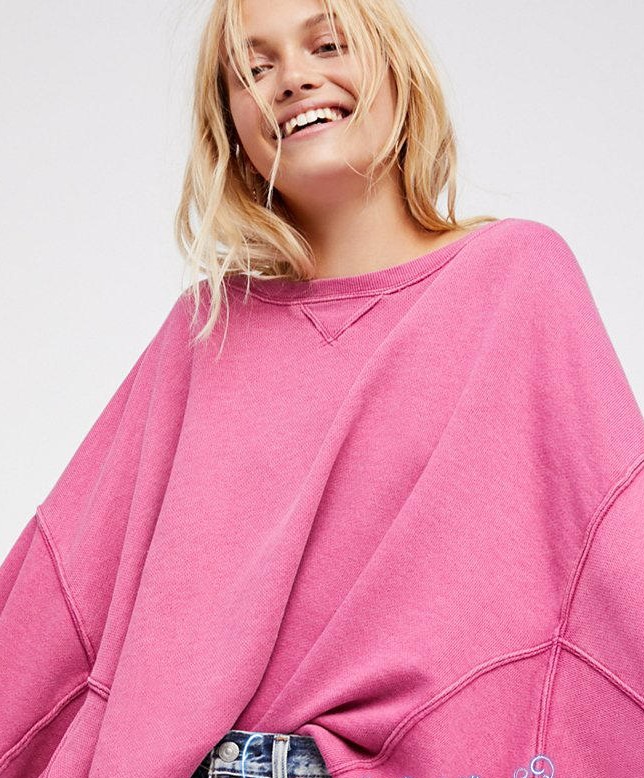
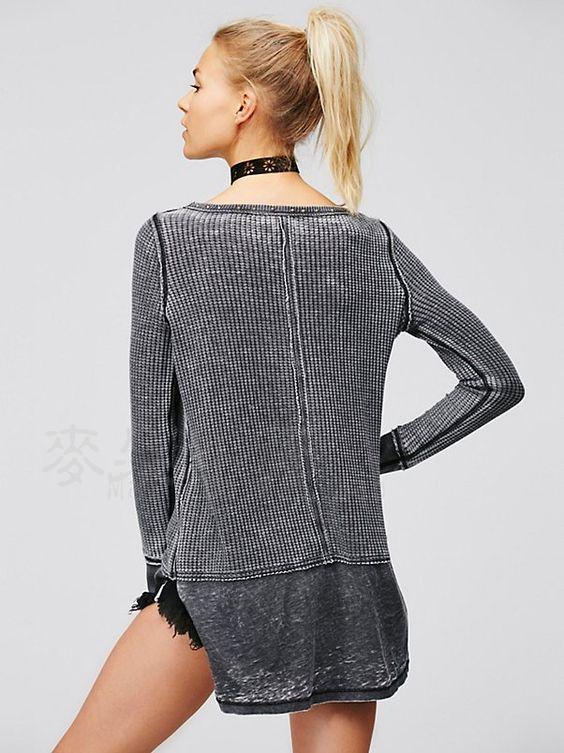
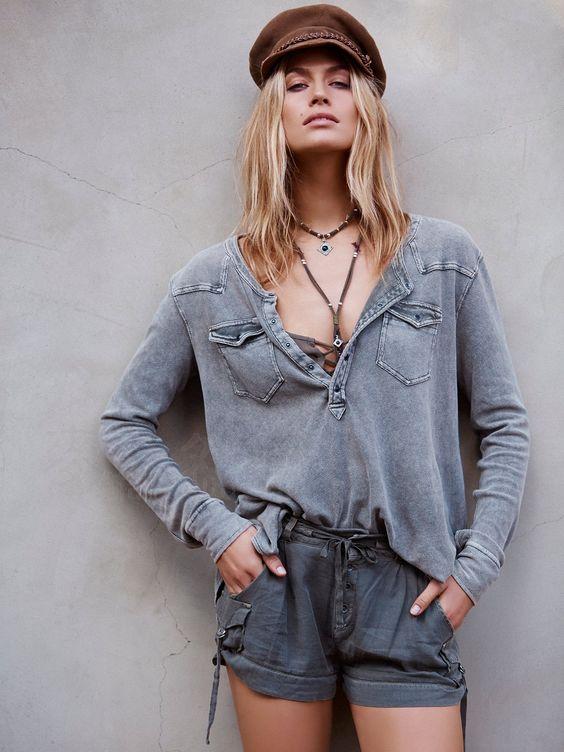
The Vintage washing process of knitted sweatshirts is a crucial step in the post-processing of clothing. Through water washing, the fabric texture can be improved, the wearing comfort can be enhanced, and a unique distressed or retro style can be given to the garments. By selecting appropriate washing techniques, knit sweatshirts can achieve both functional and fashionable appeal for diverse markets.
Application Notes Fabric Selection: Cotton suits stone/bleach washes; synthetic blends require gentler treatments. Cost Control: Stone/snow washes are time-consuming and costly. Sustainability: Bleach washes generate wastewater; enzyme/ozone washes are greener alternatives. Labeling: Care labels must reflect washing restrictions (e.g., "Do Not Bleach").
Build Your Brand
Start Your Journey of Make Your Own Clothing Design Today!

Normal Wash
Process: Short machine wash with water or mild detergent to remove surface impurities.
Effect: Slightly softens fabric while retaining original color and shape.
Application: Basic sweatshirts prioritizing comfort.
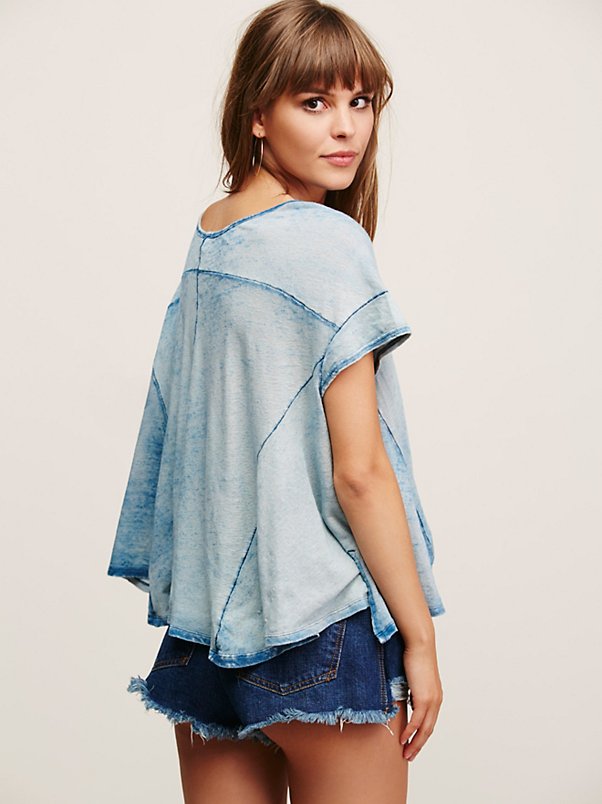
Bleach Wash
Process: Uses sodium hypochlorite or hydrogen peroxide for bleaching.
Effect: Produces overall or uneven fading for distressed or gradient effects.
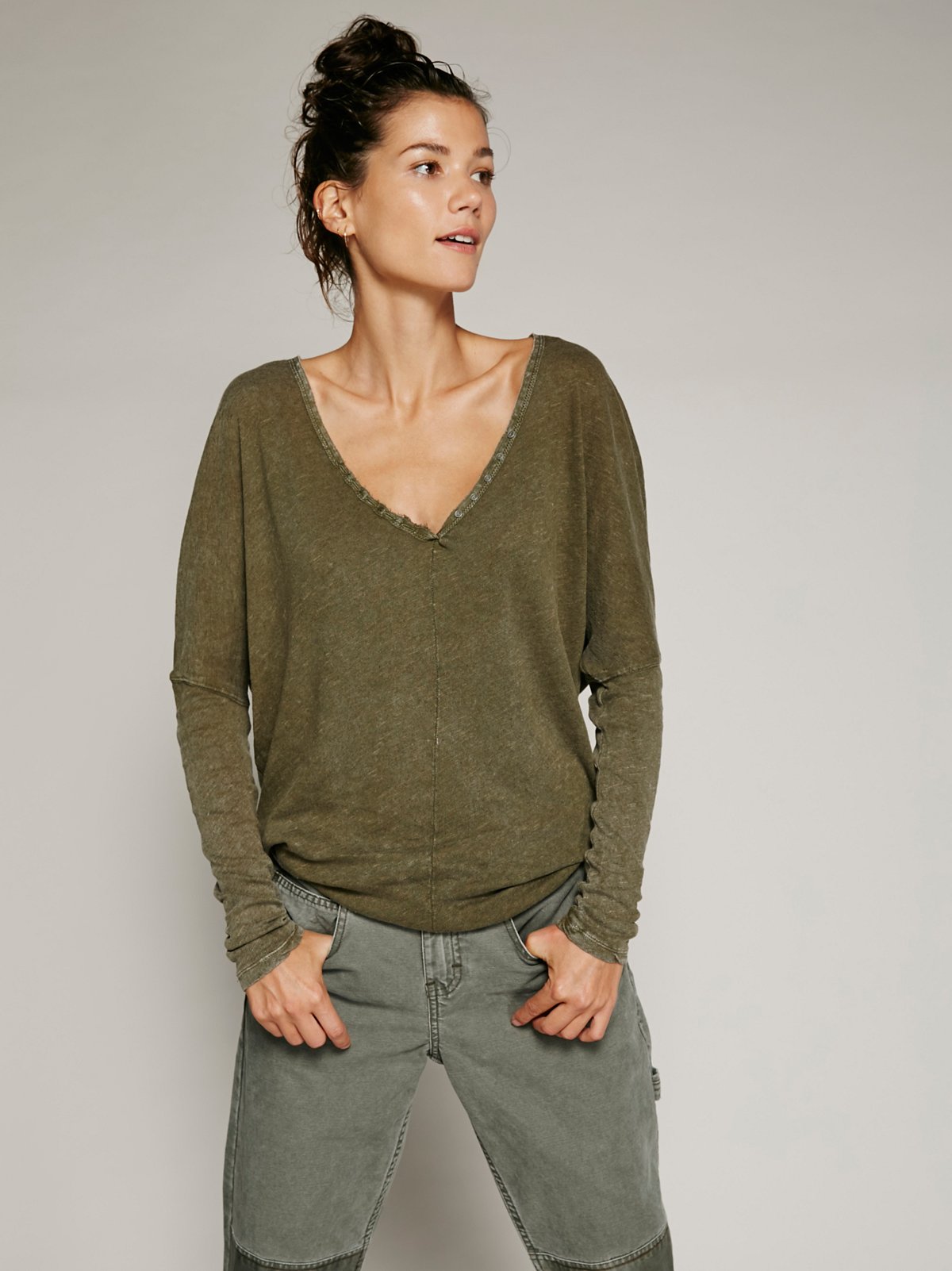
Enzyme Stone Wash
Process: Combines enzyme and stone washing for a soft yet vintage texture.
Effect: Balances fabric softness with subtle abrasion.
Application: Mid-to-high-end vintage sweatshirts.

Sand Wash
Sand washing is a process that combines physical friction + chemical auxiliaries to soften fiber surfaces.
Key steps include:
Mechanical Abrasion: Industrial washing machines (e.g., drum washers) are used with pumice stones, artificial sand, or specialized abrasives to tumble and grind the fabric.
Chemical Assistance: Swelling agents (e.g., alkaline solutions) expand fibers, followed by softeners (e.g., silicone oil) to neutralize and create a plush finish.
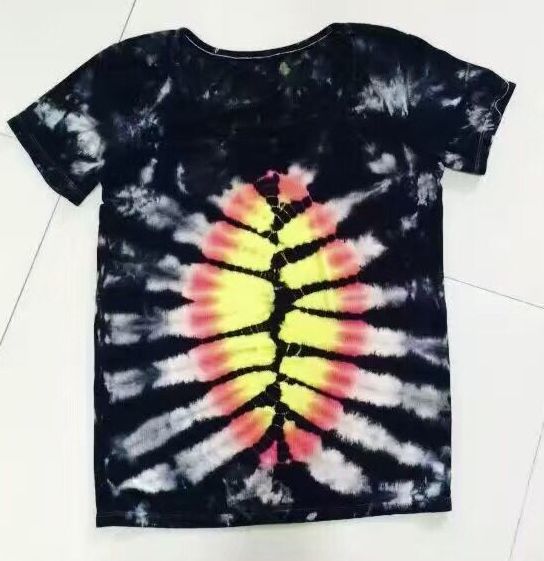
Tie-dye
Tie-dye is an ancient textile dyeing technique that involves physically resisting dye penetration by tying, stitching, folding, or clamping fabric, resulting in unique patterns. This craft has appeared in many cultures worldwide, particularly in China, Japan, India, Africa, and Indonesia. Below is a detailed introduction to tie-dye techniques:
Resist Dyeing: Physically preventing dye from reaching certain areas of the fabric to create color variations and patterns. Randomness: Due to differences in tying tightness, folding density, and other factors, each piece is one-of-a-kind.
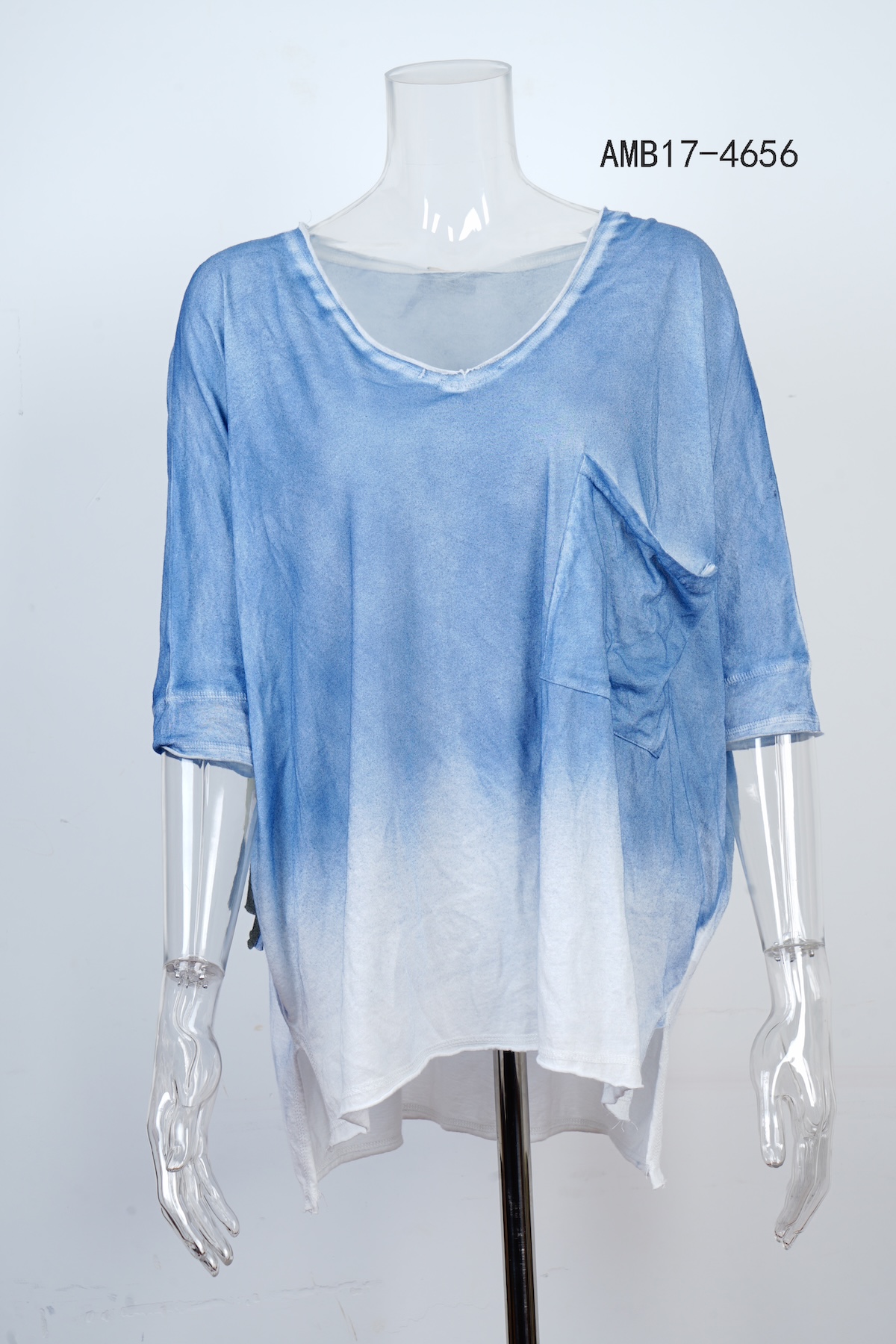
Gradient Spray Dyeing
Gradient spray dyeing is a coloring technique that creates natural color transitions through spraying methods, widely used in apparel, home textiles, footwear materials, leather goods and other fields. It can produce soft gradients, watercolor blending, abstract artistic effects and other visual styles.
1.Spraying Technology: Uses spray guns, digital spraying or atomization equipment to apply dyes in a gradient manner onto material surfaces.
2. Color Transition: Achieves natural color gradients from dark to light by controlling spray pressure, distance and dye concentration.
3. Layering Effects: Multi-layer spraying enhances color richness and three-dimensional appearance.
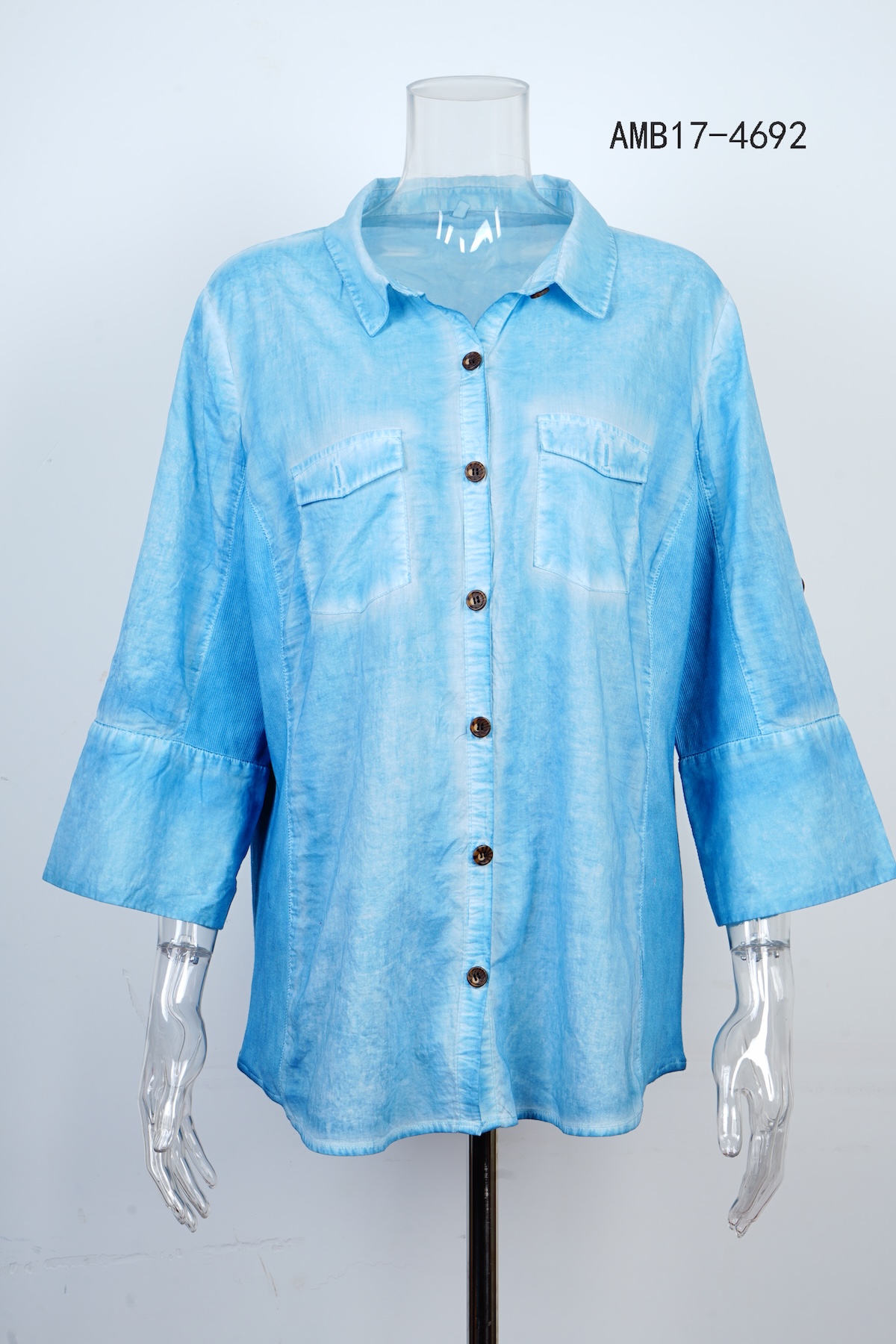
Dirty Pigment dye
The Dirty Pigment Dye process is an innovative surface treatment technique that creates intentionally uneven, "dirty" color effects on fabrics through specialized pigment application methods. This industrial process mimics natural wear and organic discoloration for fashion-forward distressed looks.
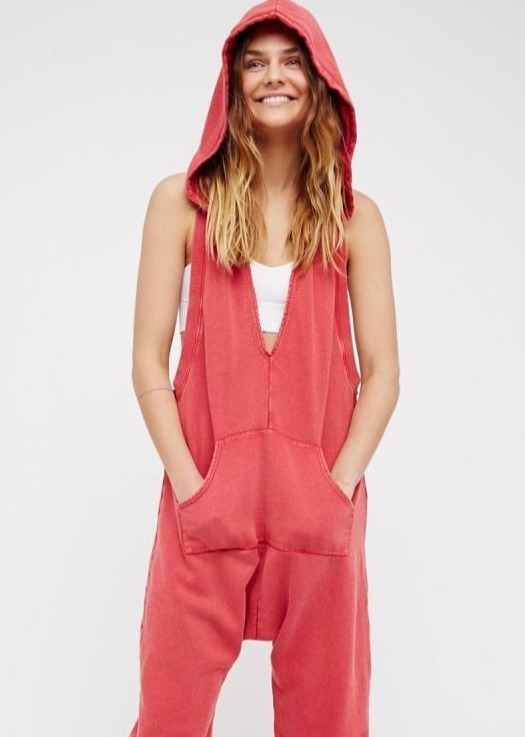
Enzyme Wash
Process: Uses cellulase enzymes to break down surface fibers.
Effect: Reduces pilling, smoothens fabric, and enhances softness.
Application: Premium sweatshirts with a refined hand feel.
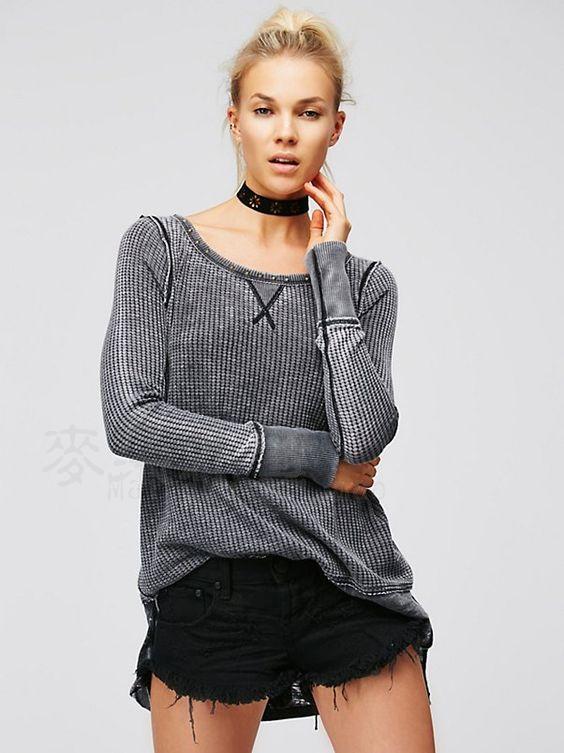
Snow Wash
Process: Applies potassium permanganate spray for irregular white speckles.
Effect: Mimics "snow-like" patterns for a bold aesthetic.
Application: Trendy sweatshirts (e.g., winter-themed designs).
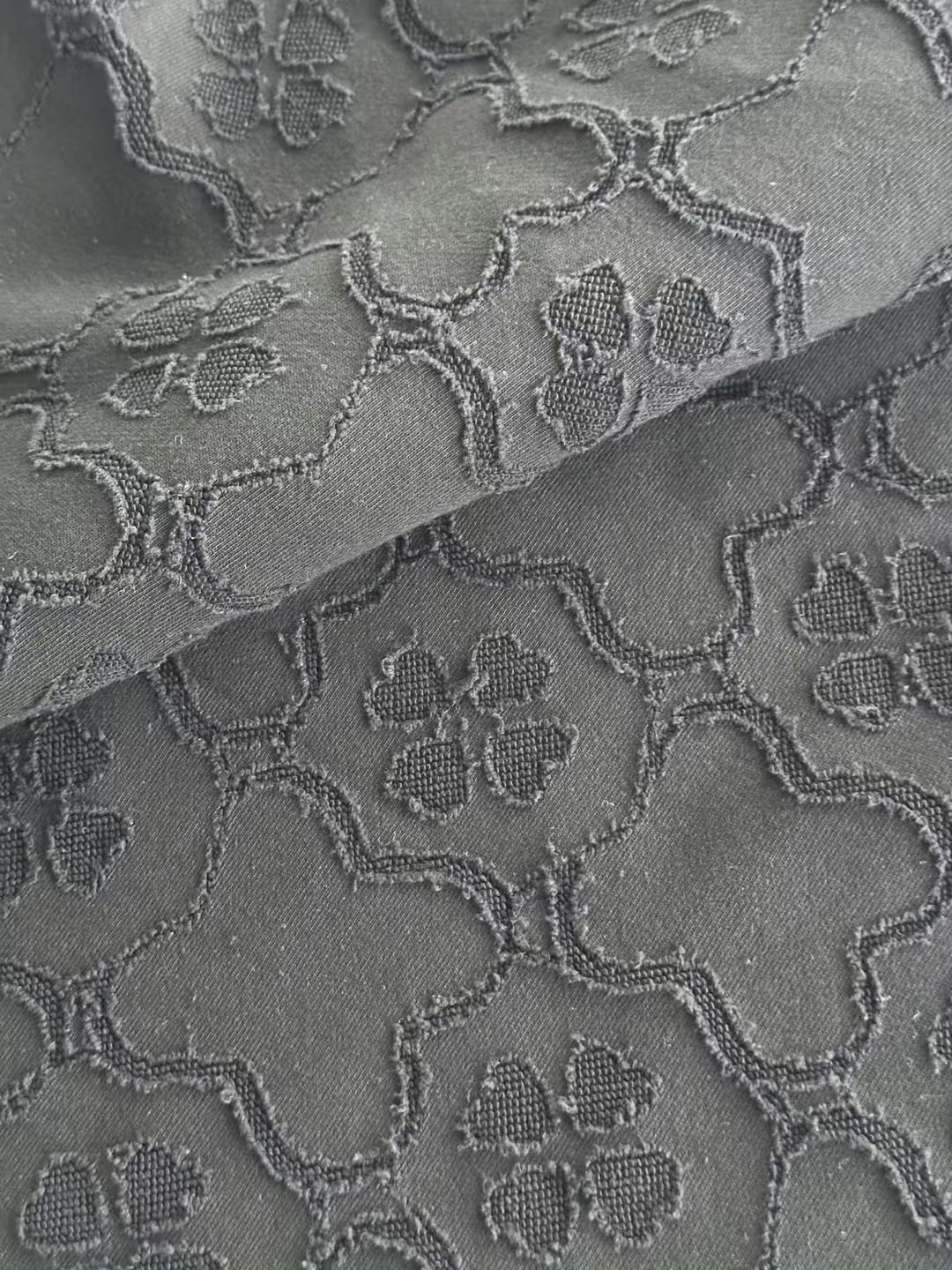
Laser Wash
Uses laser etching to create precise fading patterns (eco-friendly and efficient).
Application: Custom designs or branded logos.
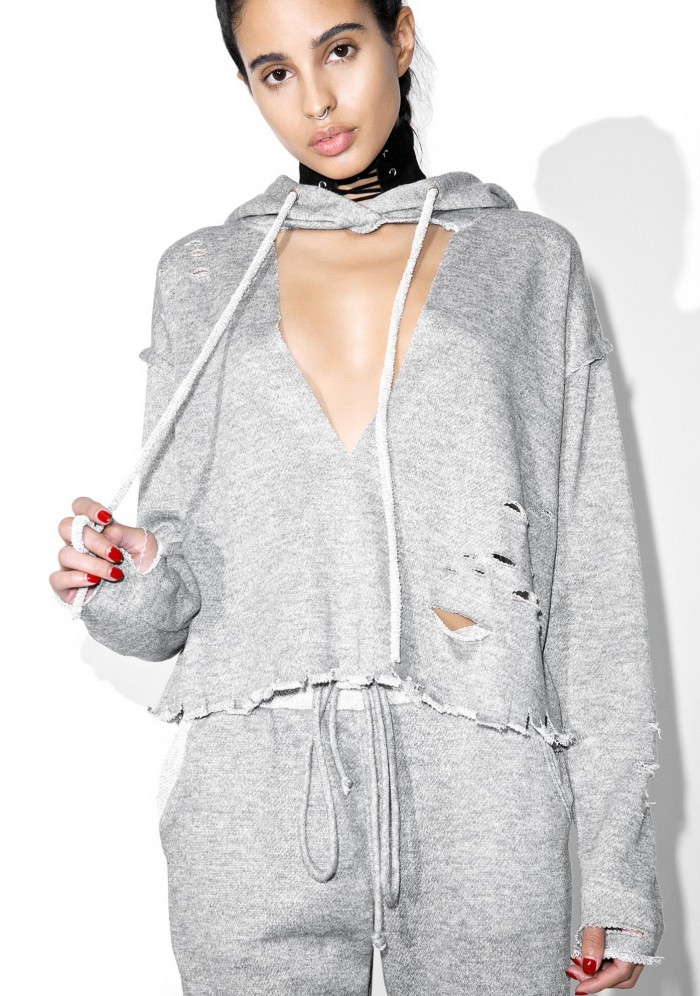
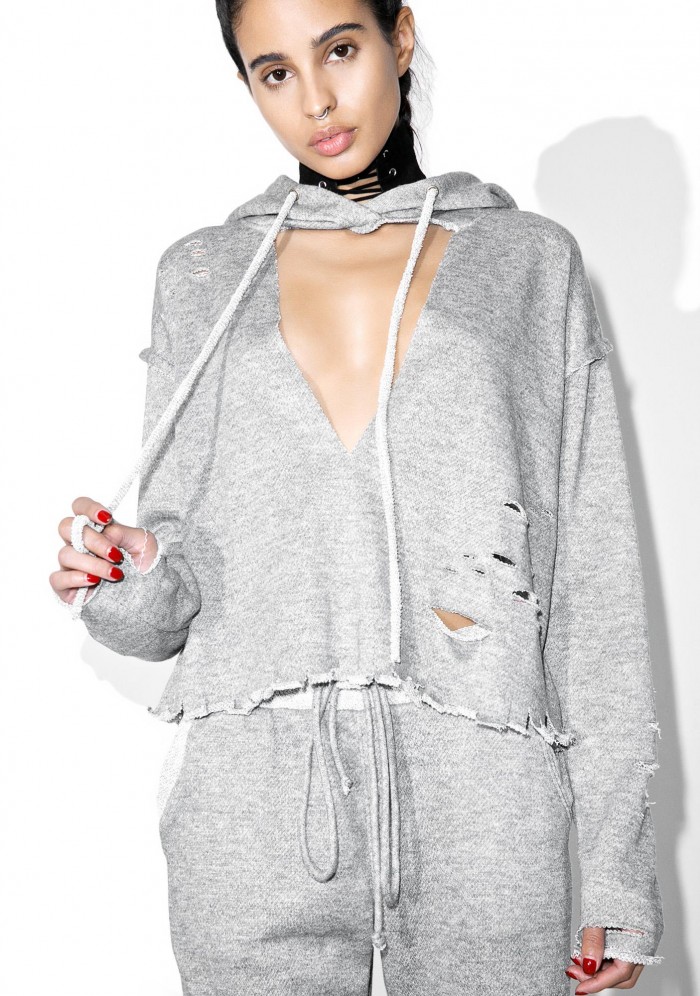
Distressed Wash
Distressed wash is a technique that artificially ages and abrades the fabric to create a vintage, streetwear-inspired aesthetic.
By leveraging the unique texture of Terry fabric, this process delivers distinctive layering and striking visual effects. The loopback structure (surface loops + base yarn) reveals inner layers or holes when distressed, adding depth. Fading, fraying, and asymmetric abrasion create a retro, streetwear-inspired look.
Repeated washing and softening make the fabric gentler against the skin, eliminating stiffness. Controlled distressing (e.g., sleeves, pockets) allows brands to develop signature designs.

Burn-Out Washing
Burn-Out Washing Process is a combined technique integrating chemical burn-out printing with physical washing treatments.
It creates unique hollowed, gradient, or distressed effects by partially dissolving fibers through chemical corrosion followed by washing for an aged appearance.
This process merges the precision of burn-out patterns with the vintage texture of washing, widely used in high-end denim, fashion, and home textiles.
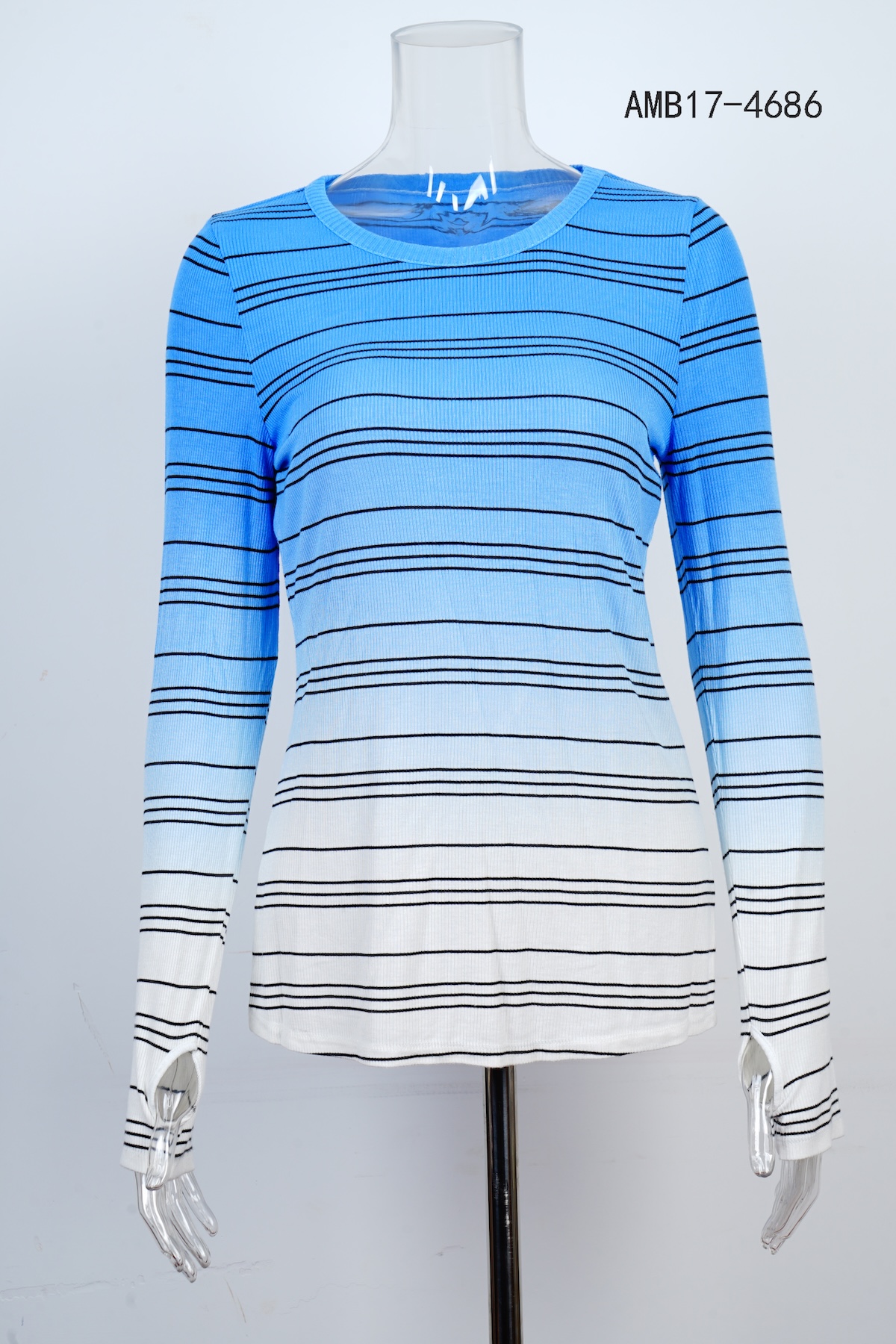
Gradient Dip-Dyeing (Ombré Dyeing Technique)
Gradient dip-dyeing is a specialized coloring method that creates smooth, transitional color effects by partially immersing fabrics in dye baths. This technique produces the popular "ombré" effect, where colors fade gradually from dark to light or between different hues.
Fabric is dipped vertically into dye solutions at varying depths,
Immersion time determines color intensity gradient,
Multiple dye baths can be used for multi-color effects
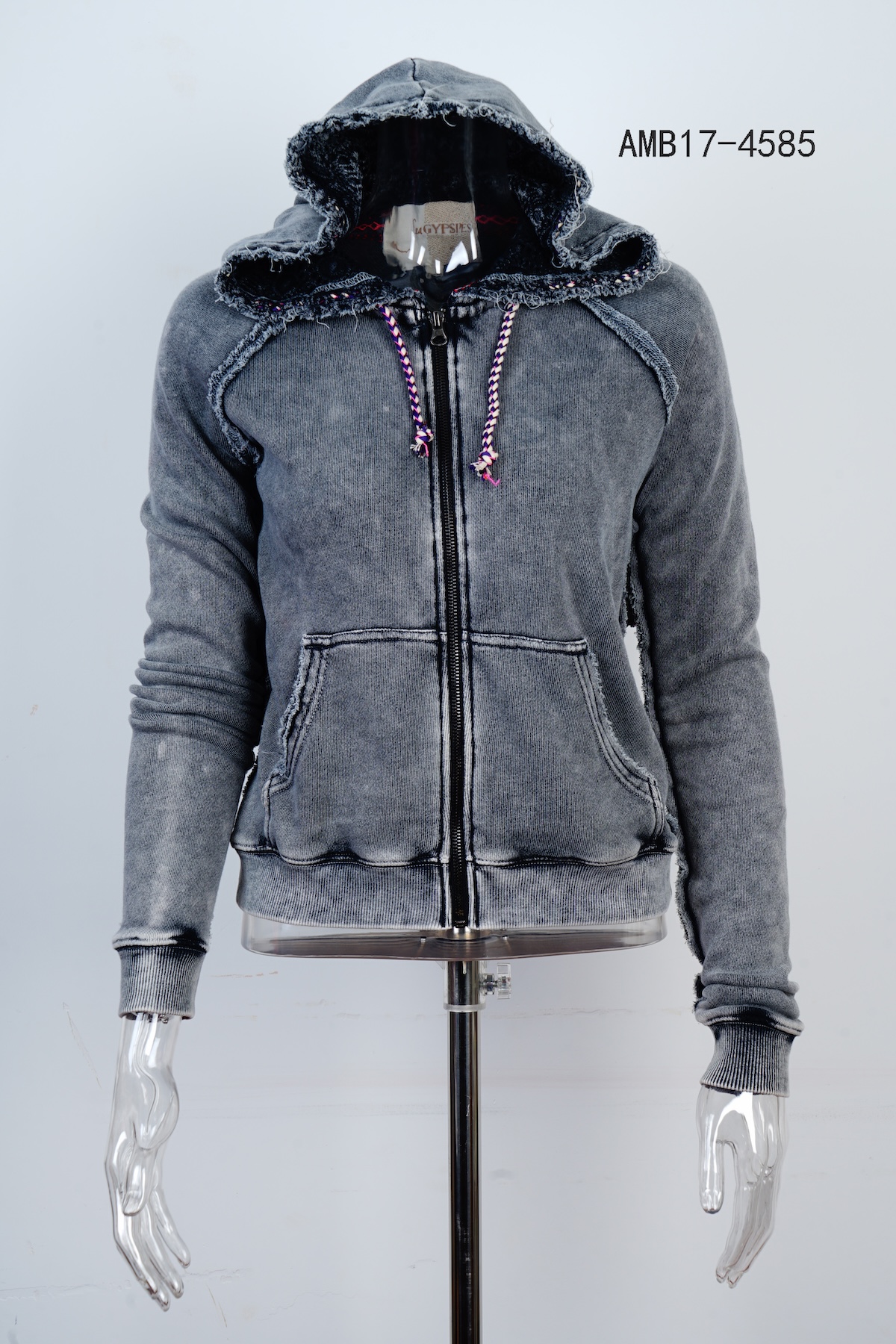
Flat Snow Wash
Flat Snow Wash is an industrial denim finishing technique that combines mechanical abrasion with chemical bleaching to create distinctive "snowflake" fading patterns. This advanced process produces high-contrast, randomized white streaks resembling snowflake formations on indigo fabrics.
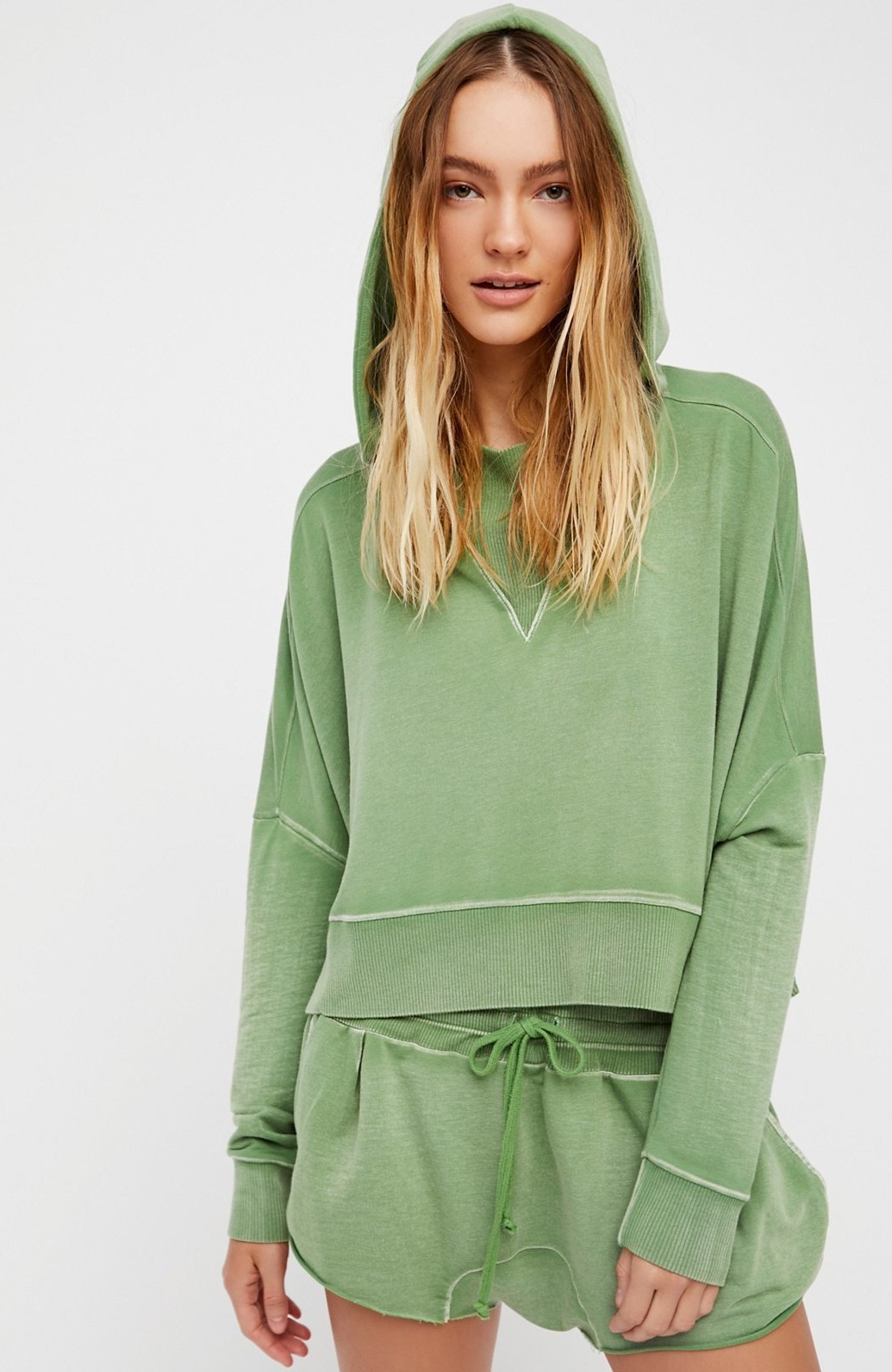
Stone Wash
Process: Tumbles fabric with pumice or artificial stones for abrasion.
Effect: Creates localized fading and a vintage, worn-in look.
Application: Retro-style sweatshirts (e.g., streetwear brands).

Silicone Softening Wash
Process: Adds silicone-based softeners.
Effect: Improves fabric smoothness and drape significantly.
Application: Sporty or casual sweatshirts for enhanced comfort.
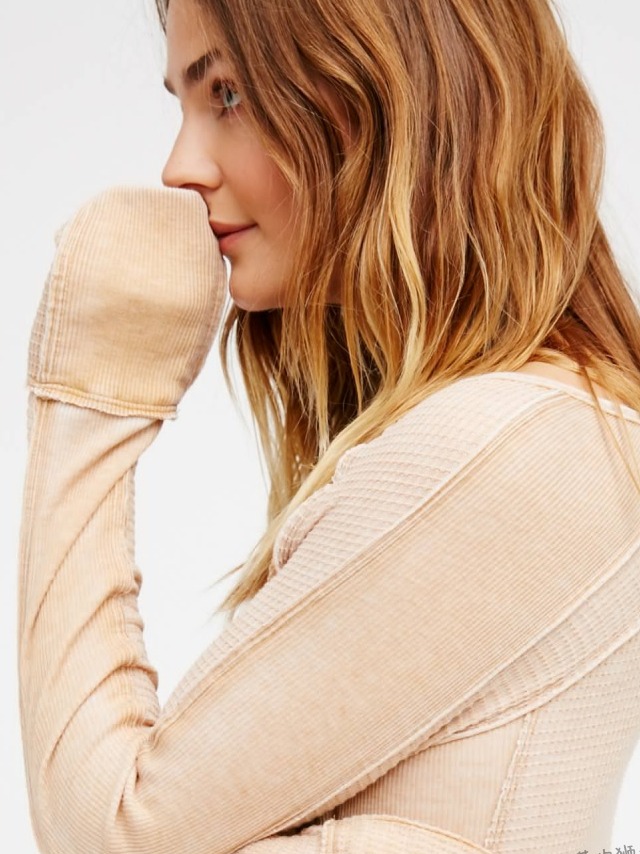
Ozone Wash
Employs ozone gas for color fading, reducing water and chemical use.
Application: Eco-conscious brands.
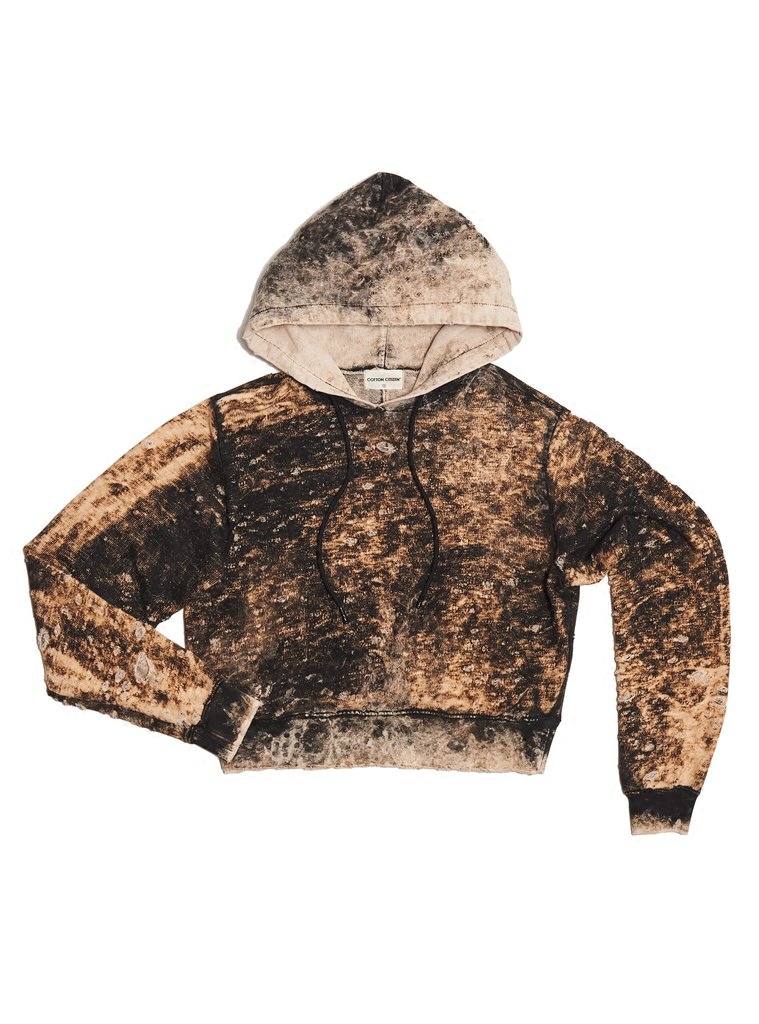
Heavy-Distressed Bleach Wash
A hyper-aggressive compound technique combining:
Multi-Stage Mechanical Destruction: Industrial diamond grinders + sandblasting + rotary tools
High-Concentration Bleaching: Dual-phase chlorine/peroxide immersion with ozone acceleration
Post-Damage Fixation: Resin spraying to stabilize frayed edges and prevent over-deterioration
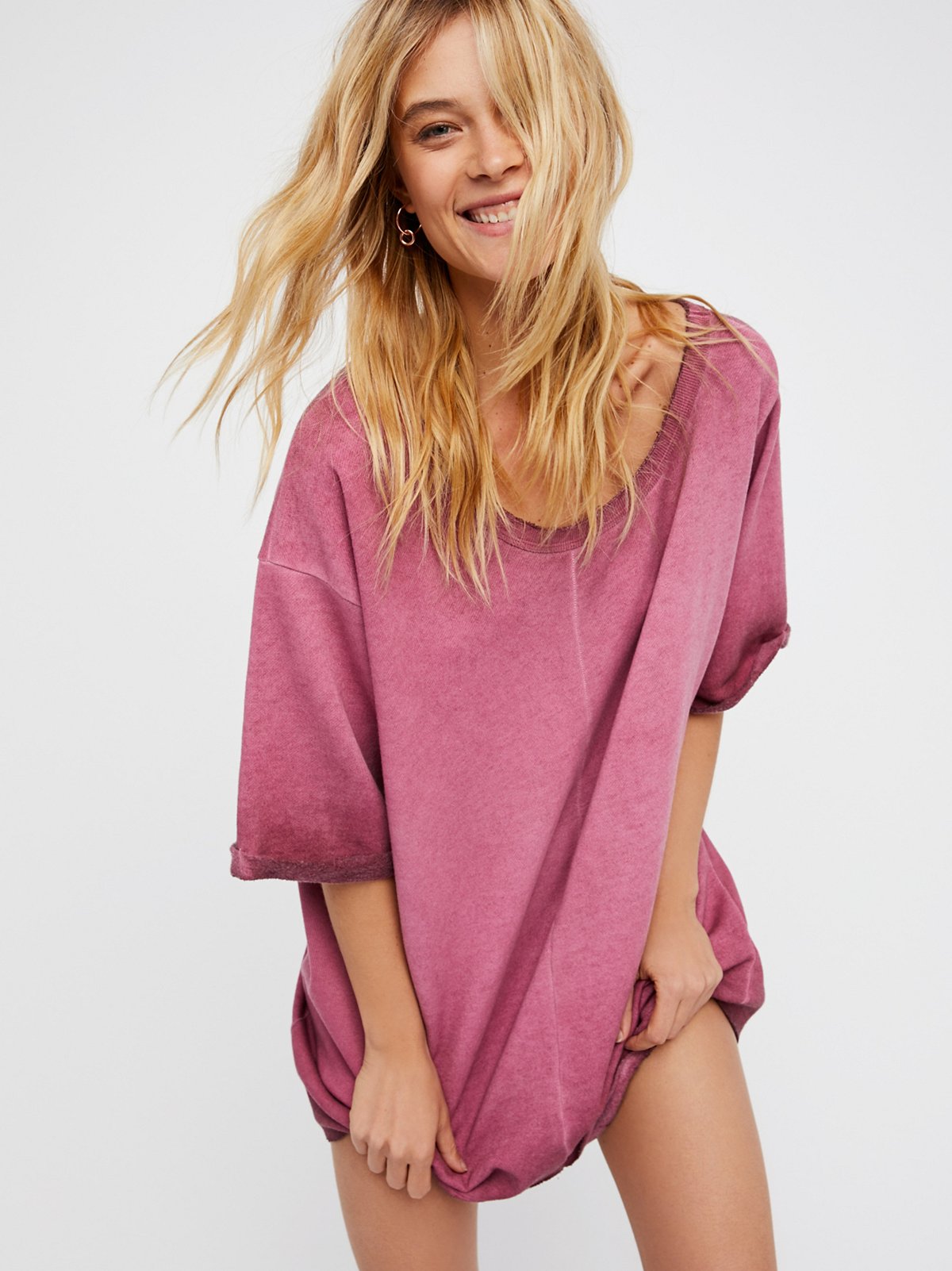
Reverse Dirty Wash Dyeing
This is a composite fabric treatment technology that combines dirty wash effects with coating dyeing, primarily used for denim, cotton/linen fabrics, and certain synthetic fibers. It achieves unique distressed, gradient, and multi-layered color effects through special reverse-side treatment techniques.
1. Reverse Action Mechanism: Application of specially formulated coating dyes and dirty wash agents on the reverse side of the fabric.
2. Permeation Control: Adjusting osmotic pressure and capillary action to allow the treatment agents to diffuse from the inside out.
3. Selective Adhesion: Utilizing differences in fiber structure to achieve uneven coloring and stain effects.
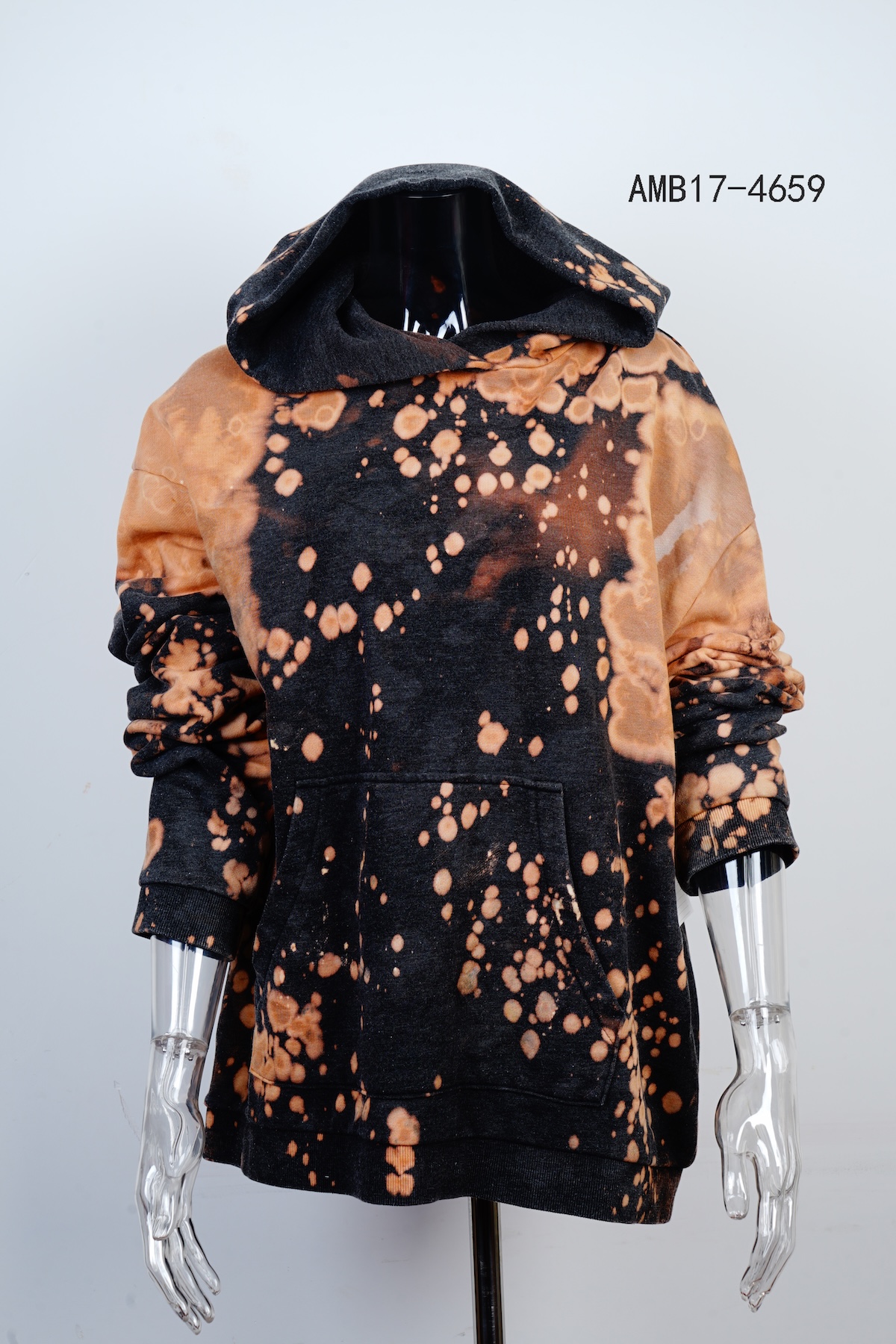
Splash Bleaching
Splash bleaching is an innovative textile treatment method that creates organic, artistic whitening patterns by mechanically splashing or spraying bleaching agents onto fabric surfaces. This technique produces unique distressed/bleached effects popular in denim and casual wear.