
How To Find Ethical Apparel Manufacturers In China
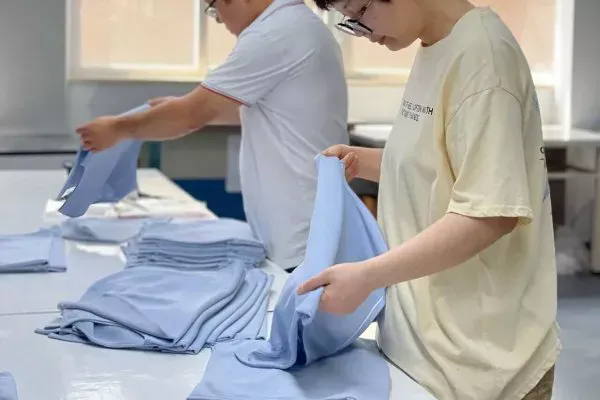
If you're seeking ethical clothing manufacturers China, it’s important to ensure they follow strict standards. Look for clothing manufacturers China that hold certifications such as BSCI, GOTS, WRAP, SA8000, and OEKO-TEX. These certifications indicate that the clothing manufacturers China prioritize safety and fair labor practices. Trusted sourcing platforms can help you verify the credentials of clothing manufacturers China, and qualified sourcing agents can assist in checking factory conditions. Visiting the factories of clothing manufacturers China allows you to see their operations firsthand. Open-door policies are another sign that clothing manufacturers China are committed to ethical practices.
| Certification | Description |
|---|---|
| BSCI | Business Social Compliance Initiative, making sure workers are treated fairly. |
| GOTS | Global Organic Textile Standard, focusing on organic materials and fair production. |
| WRAP | Worldwide Responsible Accredited Production, supporting safe and fair manufacturing. |
| SA8000 | Social Accountability 8000, making sure workers have good conditions. |
| OEKO-TEX | Certification for textiles checked for harmful substances, making sure products are safe and eco-friendly. |
Why Ethical Clothing Manufacturers Matter

Brand Reputation and Compliance
Choosing ethical apparel manufacturers helps your brand look good. Studies show that working with ethical clothing manufacturers in China makes your brand stronger. Your business shows it cares about doing the right thing. This helps you stand out from other brands. People trust brands that care about ethics. Good Chinese clothing manufacturers follow important rules and certifications. You avoid legal trouble and follow global laws. Ethical clothing manufacturers help your business and protect your brand.
Tip: Working with ethical apparel manufacturers keeps your business honest. You prove you care about fair labor and safe workplaces.
Meeting Consumer Expectations
People want brands to act responsibly. Many shoppers care about ethics and the environment. You meet these needs by picking ethical clothing manufacturers. Studies say about 55-60% of people think about ethics before buying clothes. You answer this need by working with ethical apparel manufacturers.
-
Fashion brands that act ethically get a better reputation.
-
Being open helps you connect with people who care about honesty.
There are some problems, though. Many people like sustainable fashion. But sometimes, money problems make them pick cheaper clothes. You need to fix issues like high prices, doubt, and not enough information.
| Barrier Type | Description |
|---|---|
| High Prices | People often think sustainable clothes cost too much, so they buy less. |
| Skepticism | Some people do not believe brands are really sustainable, so they do not buy. |
| Lack of Knowledge | Some people do not know enough about sustainability, so they cannot choose well. |
You build trust and loyalty by choosing ethical apparel manufacturers. You show customers you care about what matters to them.
Challenges with Clothing Manufacturers China
Transparency Issues
There are many problems with transparency when working in China. Many suppliers do not give full details about their factories or subcontractors. This makes it hard to know if they follow ethical rules. Sometimes, factory lists are missing or not complete. Some companies only show information for certain brands or products. They do not say what is missing. Many factories do not tell how much of their sourcing volume is shared. Sometimes, the data is hard to search or download.
| Transparency Issue | Description |
|---|---|
| Lack of common understanding | Companies do not disclose information about authorized subcontractors essential for production. |
| Incomplete factory listings | Only partial information about supplier factories is published without clarity on what is included. |
| Omission of addresses | Factories' street addresses are often not disclosed, hindering location identification. |
| Exclusion of subcontractor information | Names and addresses of factories used by licensees or agents are frequently omitted. |
| Inconsistent disclosure | Information may only pertain to some brands or product types without clear indication. |
| Lack of clarity on exclusions | Companies do not specify what information is excluded from disclosures. |
| Absence of sourcing volume data | Companies fail to state the percentage of total sourcing volume published. |
| Non-downloadable formats | Data is not provided in formats that are easily accessible or searchable. |
Suppliers usually meet transparency rules at Tier 1 and 2. These tiers are easier to see. Tiers 3 and 4 are harder to check and often do not follow the rules. Many clothing manufacturers China use other factories without telling you. This can hurt your brand’s quality and ethics.
Tip: Always ask for full factory lists and subcontractor names. Good Chinese clothing manufacturers will give you this information.
Unethical Practices
You need to watch out for unethical practices in this industry. Some places, like Xinjiang, are linked to forced labor. Over 20% of the world’s cotton and most of China’s cotton come from there. Many ethical apparel manufacturers do not use cotton from this area. The U.S. government put sanctions on suppliers tied to forced labor in 2020. You should check your supply chain to make sure you work with ethical clothing manufacturers. Certifications and audits do not always catch every problem.
-
Forced labor in cotton is a big problem.
-
Some factories do not treat workers fairly.
-
You need to look for risks in your supply chain.
Language and Cultural Barriers
Language and cultural barriers can cause problems when buying clothes from China. Misunderstandings can hurt product quality and delivery times. About 52% of Western buyers have problems because of poor communication. Using clear steps can lower mistakes by 35%. Teams that confirm details make 57% fewer errors. Cultural mix-ups cause 28% of deals to go badly. One mistake can cost $50,000 in lost goods. Companies that train for cross-cultural work do 35% better in partnerships.
| Evidence Type | Description |
|---|---|
| Misunderstandings | 52% of Western buyers report misunderstandings affecting product quality or delivery timelines. |
| Production Errors | Proper communication protocols can reduce production errors by 35%. |
| Implementation Errors | International teams using confirmation protocols experience 57% fewer implementation errors. |
| Deal Failures | 28% of international sourcing relationships underperform due to cultural misunderstandings. |
| Cost of Miscommunication | A single miscommunication can cost companies upwards of $50,000 in lost inventory. |
| Partnership Outcomes | Companies investing in cross-cultural training achieve 35% better long-term partnership outcomes. |

You can fix these problems by using clear communication and training. Working with local experts also helps. This lets you build good relationships with ethical suppliers.
How to Find Ethical Apparel Manufacturers
Research and Shortlist Suppliers
You begin by using trusted websites to find suppliers. These sites help you compare companies and check their credentials. You can find clothing manufacturers China that fit your needs. Look for clear communication, strong compliance, and reliable production.
| Platform | Features |
|---|---|
| Alibaba | Largest B2B marketplace with supplier ratings and trade assurance |
| Global Sources | Verified suppliers and detailed company background information |
| Made-in-China | Specialized in manufacturing industries, including clothing |
| 1688 | Domestic Chinese platform with lower prices but requires Chinese language skills |
B2B platforms like Alibaba and Global Sources have many listings. Made-in-China and DHgate also show supplier details. Forums like Reddit and YouTube share user reviews. LinkedIn lets you check company profiles and references.
When you pick suppliers, check their minimum order quantity. Look at material sourcing, production capacity, and quality control. Make sure they follow your ethical sourcing goals.
Verify Certifications (BSCI, Sedex, ISO)
You need to check a Chinese clothing manufacturer’s certifications. Certifications like BSCI, Sedex, and ISO show fair labor and environmental compliance. Each certification has special features.
| Feature | BSCI | SEDEX |
|---|---|---|
| Type | Compliance initiative | Data-sharing platform |
| Audit System | Structured audit system | Supports multiple audit types, including BSCI |
| Membership Requirement | Required for suppliers | Enables transparency by sharing audits with multiple buyers |
Check product safety with test reports and certifications. Labor standards need audit reports. Environmental compliance needs waste management policies. Use digital tools to check certificate numbers in the OEKO-TEX database. Look for mistakes in documents. Make sure certificates cover the apparel you want. Check the factory’s systems and add verification steps to your contract.
Use Sourcing Agents and Platforms
You can use sourcing agents or online platforms to find ethical suppliers. Sourcing agents know the local market and help with language barriers. They save time and get better prices. Agents help with quality control and logistics. You get flexibility and scaling when working with a Chinese clothing manufacturer.
| Advantages of Sourcing Agents | Disadvantages of Sourcing Agents | Advantages of Online Platforms | Disadvantages of Online Platforms |
|---|---|---|---|
| Local expertise and market knowledge | Added cost of agent fees | DIY approach | Lack of personalized support |
| Overcoming language and cultural barriers | Potential loss of direct control | Access to a wide range of suppliers | May lack local knowledge |
| Time savings and convenience | |||
| Access to better pricing | |||
| Quality control and reduced risk | |||
| Supply chain and logistics support | |||
| Flexibility and scaling |
Online platforms let you research and pick suppliers yourself. You get access to many sustainable apparel manufacturers. But you may not get local knowledge or personal help. Using both methods gives you the best results.
Visit Factories and Request Samples
You should visit factories to check a Chinese clothing manufacturer’s ethics. Factory visits let you see working conditions and compliance. Ask for samples to test product quality. Look for clean facilities, proper documents, and open operations.
| Document Category | Verification Purpose |
|---|---|
| Business Registration | Legal operating authority |
| Social Compliance Audit Reports (e.g., BSCI, SMETA) | Labor standards adherence |
| Environmental Management Certificates | Regulatory compliance |
| Industry Initiative Membership | Continuous improvement commitment |
Check for WRAP, SA8000, and ISO 14001 certifications. Virtual tours help if you cannot travel. Watch production in real-time and check transparency. Good Chinese clothing manufacturers welcome visits and give samples easily.
Identify Red Flags
Watch for warning signs when picking ethical apparel manufacturers. Some factories show fake documents or time cards with long hours. Worker interviews without managers show real conditions. Hiding injury reports is a bad sign. Working hour violations and payroll problems are common. Not wanting video calls or visits is a warning. No business documents or strange payment requests mean risk.
-
Fake documents or time cards
-
Worker interviews without management
-
Hidden injury reports
-
Working hours violations
-
Payroll discrepancies
-
Reluctance for video calls or visits
-
No verifiable business documentation
-
Suspicious payment requests
Avoid these risks by mixing online research with real checks. Factory audits and sample requests confirm ethical sourcing. You build trust by picking ethical clothing manufacturers who follow fair labor practices.
Ensuring Ongoing Ethical Practices
Regular Audits and Monitoring
You should check your apparel manufacturers in China often. Audits help you find problems early. They make sure suppliers follow your rules. Do an audit after you approve tools but before big orders. High-risk suppliers need checks every six months or once a year. If you work with a supplier for a long time and they do well, check them every two or three years. You should also check after any big problems or new rules. Use trusted inspection companies with good reputations. These experts look at everything closely. They help you keep your products high quality. Make audits part of your quality system. This helps you see the big picture and spot problems fast. Use checklists and feedback to fix issues and get better.
Tip: Use audits and open-door policies together. This helps everyone be honest and follow the rules.
Communication and Documentation
Good communication and clear paperwork are very important. Signed agreements in two languages stop confusion from language problems. Write down every rule, even for packaging and labels. This keeps everyone clear on what to do. Pick main contacts and how you will talk. Set rules for how fast people should reply and when to give updates. Use weekly reports to keep track of progress.
| Key Aspect | Importance |
|---|---|
| Clear communication protocols | Helps everyone talk well and stops confusion. |
| Documentation of meeting minutes | Makes sure everyone remembers what was decided. |
| Sending critical documents beforehand | Gets everyone ready for meetings and helps them go better. |
Giving updates and talking clearly builds trust. It keeps everyone working together from design to quality checks. Talking early helps you avoid delays and keeps things fair.
Building Long-Term Partnerships
Working with the same ethical apparel manufacturers for a long time is good. It helps you follow the rules and buy better. Choose suppliers who know their materials and check quality well. Ask if they check quality before shipping. Good communication and certifications show they care about doing things right. Make sure they can grow with you and work fast if needed.
| Key Factor | Description |
|---|---|
| Material Mastery | Suppliers who know fabrics make strong, lasting clothes. |
| Proven Quality Control | Checking quality before shipping keeps standards high. |
| Transparent Communication | Quick updates help you stay informed and avoid mistakes. |
| Ethical & Sustainable Practices | Certifications prove they make products the right way. |
| Scalability & Speed | They can handle more orders and work quickly. |
Long partnerships help you spot risks and follow the rules better. Traceability means you can check where every part comes from. Working with trusted suppliers matches your company’s values and helps you reach your goals.
You can find ethical apparel manufacturers in China by doing a few things. First, look for manufacturers that care about the environment. Next, check if they have certifications like WRAP, GOTS, or BSCI. You can use websites like Maker’s Row to learn more about them. It is smart to visit the factories or hire someone to check them for you. Try to work with the same good manufacturers for a long time.
Keep checking on your suppliers and talk with them often. This helps you make sure they stay ethical. Brands that care about fairness, worker rights, and the planet get better products and trust from customers.
| Challenge | Solution |
|---|---|
| Language barrier | Use simple words or ask local experts for help. |
| Cultural gap | Learn some Chinese business customs. |
| Trust issues | Check everything carefully before you decide. |
Tip: Always take action and use trusted tools to make sure your sourcing is ethical.
FAQ
What certifications should you look for in ethical apparel manufacturers?
Look for BSCI, WRAP, GOTS, SA8000, and OEKO-TEX. These certifications mean the factory treats workers fairly and keeps things safe.
How can you verify a manufacturer’s ethical claims?
Ask for audit reports and certificates. Visit the factory or take a virtual tour. Use trusted websites to check reviews and references.
Why is a factory visit important?
Factory visits let you see how people work and meet staff. You can check papers and ask questions. This helps you make sure the factory follows ethical rules.
What are common red flags when choosing a supplier?
Watch out for fake certificates and hidden injury reports. Be careful if the supplier does not share information. If they avoid video calls or factory visits, you should be careful.
How to Request a Price Quotation from Garment Manufacturers – The Ultimate Guide
Natural or Synthetic Fabrics? Which is better for you?
Get an Accurate Garment Quote Within 24 Hours
Tell us your idea, and our team will turn it into a clear, competitive quotation—fast and professionally.
✔ Low MOQ for startups & growing brands
✔ Fast sampling (7–10 days)
✔ Full-package service (fabric sourcing to bulk production)
✔ Stable quality & on-time delivery
✔ Experienced with US & EU brands
Trusted by 100+ global brands | 10+ years manufacturing experience
We typically respond within 12–24 hours.
Many of our clients started with small orders and scaled with us.
Why Brands Choose Us
>10+ years garment manufacturing experience
> Served 100+ fashion brands globally
> Strong development support for small brands
> Transparent pricing & communication
Limited production slots available this month. Secure your sampling schedule today.
* We help turn your ideas into production-ready garments
* No tech pack? No problem. Send us a reference image.
* Low MOQ support for new brands
Prefer quick communication?Chat with us on WhatsApp for instant support.
👉 WhatsApp Us