
How much does it cost to create your own clothing brand
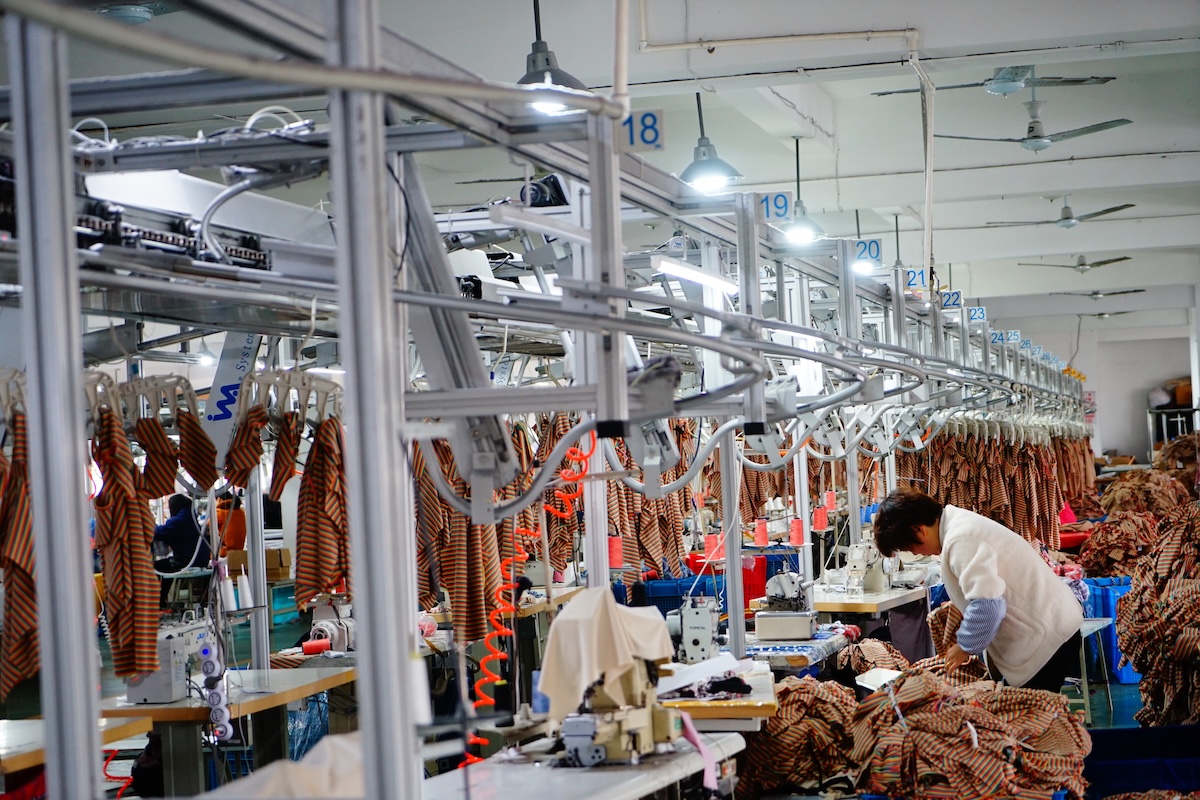
pends if you use a custom clothing manufacturer. Dropshipping costs less and has less risk. Wholesale costs more at first but gives you more control. The cost also changes with your branding, clothing design, and production choices. Dropshipping is popular because it is cheap and easy to start. Many new business owners pick dropshipping for these reasons. Your costs will change if you make custom clothes or buy in bulk. Costs also change if you sell straight to customers. You need to think about every cost when starting a brand. This includes branding, making clothes, packaging, and marketing. All these things help you build a strong brand.
How Much Does It Cost to Start a Clothing Brand
Startup Cost Range Overview
When you want to start a clothing brand, you need to understand the full range of costs. The cost to start a clothing line can look very different for each person. Some new owners launch a clothing line with as little as $500. Others invest $5,000 or even $30,000 or more. A few fashion brand founders report spending up to $68,000 on initial capital expenses. Some brands need a minimum cash runway of $692,000 to cover all essential costs and keep the business running.
You should expect the cost to start a clothing brand to fall between $500 and $50,000 for most new businesses. The cost of starting a clothing line depends on your goals, your market, and your production choices. If you want to create a custom clothing brand, you will likely spend more on design, sampling, and manufacturing. If you choose a simple print-on-demand model, your startup costs will be much lower.
Here is a quick look at the typical startup costs for a clothing line:
-
Minimum startup cost: $500
-
Common startup cost: $5,000 to $30,000
-
Maximum startup cost: $50,000 or more for a custom clothing brand
You need to plan for all primary startup costs. These include design, sampling, production, branding, packaging, and marketing. Each cost to start a clothing line will affect your total budget. If you want to build a strong fashion brand, you must invest in quality and brand identity from the start.
Tip: Start small and scale your clothing line as you learn more about your market and costs. This approach helps you manage risk and control your spending.
Key Factors Affecting Costs
The cost to start a clothing brand depends on many factors. You need to look at each part of your business plan to understand the total cost of starting a clothing line. The most important factors include your material choices, order size, production location, and labor costs. Each one can change the cost to start a clothing line by thousands of dollars.
Here is a table that shows the main factors that affect the cost to start a clothing brand:
|
Factor |
Description |
|---|---|
|
Material Choice |
The type of fabric you pick can raise costs. Premium materials make your custom clothing brand more expensive. |
|
Quantity |
Larger orders lower the cost per unit. Small orders cost more per piece. |
|
Production Location |
Local manufacturing often costs more than overseas production. |
|
Labor Costs |
Skilled labor increases costs. Cheaper labor can lower quality. |
|
Minimum Order Quantity |
High MOQs lower per-unit costs but may not work for small clothing lines. |
You also need to think about where you make your clothing. Local production can cost more than overseas options. Material choice and sourcing play a big role in your total cost to start a clothing brand. If you want to use organic cotton or recycled fabrics, your custom clothing brand will have higher costs.
The number of designs you launch also affects your primary startup costs. More designs mean higher sampling and prototyping costs. If you want to start a clothing line with many styles, you need a bigger budget.
When you plan your fashion brand, you must include all essential costs. These include design, sampling, production, branding, and marketing. Each cost to start a clothing line adds up quickly. Careful planning helps you avoid surprises and keeps your custom clothing brand on track.
Note: You can lower your cost to start a clothing brand by starting with fewer designs and smaller orders. Focus on quality and build your fashion brand step by step.
Product Development for a Custom Clothing Brand

Design and Concept Fees
You need to save money for design and concept fees when you start a custom clothing brand. Professional designers usually ask for $500 to $5,000 for each design. The price changes based on how much experience the designer has and how hard your ideas are. If your designs are simple, you pay less money. If your designs are detailed with special writing or pictures, you pay more because they take more time and skill.
Here are some things that change your total design costs:
-
More designs mean you pay more money.
-
Harder designs cost more because they need special skills.
-
Simple designs use less time and fewer materials.
-
If you order a lot at once, each item costs less, but small orders cost more.
If you buy 1,000 t-shirts with the same design, each shirt costs less than if you only buy 100. Small orders under 50 shirts usually do not get discounts.
Sampling and Prototyping Costs
Sampling and prototyping are important steps when making custom clothes. You need samples to check how the clothes look and fit before you make a lot. Most manufacturers charge $300 to $2,500 for each sample. Companies in your country often charge by style, and the average price is $1,000 for each style.
If you add more designs or different products, your sampling and prototyping costs go up fast. Every new style needs its own sample to make sure it is good. The sampling step comes after you make the first model. Pre-production samples help you make sure your factory can make the clothes the way you want.
Tip: Start with just a few designs to keep your custom clothing costs low.
Custom Clothing Manufacturer Costs
MOQs and Per-Unit Pricing
When you work with a custom clothing manufacturer, you must understand minimum order quantities (MOQs) and how they affect your cost. MOQs tell you the smallest number of pieces you need to order for each style. These numbers change by region and manufacturer. For example, factories in Vietnam often set MOQs between 100 and 1,000 pieces. In Portugal, you can find white label services starting at 60 pieces, but custom manufacturing usually starts at 250 pieces.
|
Region |
MOQ Range (pieces) |
Notes |
|---|---|---|
|
Vietnam |
100-1000 |
Established factories may require 500-1000, but smaller batches are possible for simpler designs. |
|
Portugal |
60-250 |
White label service starts at 60 pcs, custom manufacturing at 250 pcs. |
Your price per garment depends on your order size. Small batch orders of 50–100 units often cost $18–$60 per piece. Standard orders of 100–300 units lower your price per garment to $12–$30. If you order in bulk (500+ units), you can see costs drop to $7–$18 per item. These numbers show why your startup costs can change so much based on your production choices.
Production Models and Cost Impact
You have several production models to choose from when starting your clothing brand. Each model affects your production costs and pricing. Print-on-demand lets you order one item at a time. This model keeps startup costs low, but your price per garment is higher. Small batch production means you order 50–300 pieces per style. This option gives you more control over quality, but the cost per item stays high.
Mass production uses large orders, often 1,000 units or more. This model lowers your price per garment because of economies of scale. For example, a t-shirt made with print-on-demand can cost $8–$15 each. If you order 1,000 t-shirts from a custom clothing manufacturer, your cost drops to $3–$6 per shirt.
-
Print-on-demand: Low startup costs, high price per garment, flexible for testing designs.
-
Small batch: Higher production costs, better for limited runs or new brands.
-
Mass production: Lowest cost per item, but higher total investment and risk.
You should choose the production model that matches your budget and brand goals. Always compare pricing and production costs before you decide. The right custom clothing manufacturer can help you balance quality, cost, and flexibility as you grow your clothing brand.
Branding and Marketing Expenses
Logo and Brand Identity
You need a strong logo and brand identity to stand out in the clothing market. These elements help customers remember your custom clothing line. The cost for logo design and brand guidelines can vary. You may pay more if you want a unique look or work with a top designer. Here is a table that shows typical costs:
|
Service Type |
Cost Range |
|---|---|
|
Logo Design |
$300 – $2,500 |
|
Brand Guidelines |
Up to $10,000 |
A clear brand identity builds trust and helps you connect with your audience. You should include these costs in your startup costs from the beginning.
Packaging and Labels
Packaging and labels are important for your custom clothing brand. These details show your quality and help with marketing. You need to plan for costs related to branding, such as labels and tags. You also need to think about e-commerce setup, digital marketing, shipping, and inventory management. Many new owners forget these clothing brand expenses, but they add up fast.
-
Typical costs for packaging and labeling range from $1 to $3 per unit.
-
This includes neck labels, care labels, hang tags, and poly bags or boxes.
-
These costs are essential for branding and can impact your startup costs.
Initial Marketing Spend
You must invest in marketing to launch your clothing brand. Most new brands spend up to 20% of their revenue on marketing. You can use digital marketing, influencer marketing, and social media to reach your audience. These channels help you grow your brand and drive sales.
Tip: Set a clear marketing budget and track your spending to control your cost as your business grows.
Business Setup and Legal Fees
Registration and Permits
You have to register your clothing business before selling. The registration fee depends on where you live. Most people pay between $50 and $500. You also need permits to run your business legally. These include a business license and sales tax permits. If you work from home, you might need a home occupation permit. Selling online may need special online business permits too. Some cities want you to get health department permits for making clothes, especially if you use lots of fabric. If you want to import or export, you must get the right licenses.
Here is a quick list of common business setup costs:
|
Expense Type |
Description |
|---|---|
|
Registration Fees |
Money you pay to register your business. |
|
Business License |
Needed to run any clothing business. |
|
Sales Tax Permits |
Lets you collect and pay sales taxes. |
|
Home Occupation Permits |
Needed if you work from home. |
|
Health Department Permits |
Makes sure you follow health rules. |
|
Import/Export Licenses |
Needed for trading clothes with other countries. |
|
Online Business Permits |
Needed for selling online, just like in stores. |
Tip: Look at your local government website to see what permits you need before starting your custom brand.
Trademarks and Insurance
It is important to protect your brand. You should register a trademark for your clothing line. This stops others from using your name or logo. In the U.S., trademark registration usually costs $250 to $750 for each class. You also need insurance to keep your business safe from problems. Most brands start with a general liability policy or a business owner’s policy.
Here are some usual insurance costs for new brands:
|
Insurance Type |
Monthly Cost |
Annual Cost |
|---|---|---|
|
Business Owner’s Policy (BOP) |
$88 |
$1,057 |
|
General Liability Insurance |
$42 |
$500 |
Insurance helps pay for accidents, damage, or legal trouble. You should plan for these costs when you start your clothing business.
Website and E-Commerce Setup
Website and Hosting Costs
You need a reliable website to sell your clothing brand online. Building a professional site can cost a lot. If you hire a developer, the initial build may range from $40,000 to $100,000. You might spend another $10,000 to $20,000 for extra features. In your first year, total costs can reach $50,000 to $120,000. After launch, you pay for hosting, maintenance, and updates. These ongoing costs range from $20,000 to $60,000 each year.
|
Cost Type |
Year 1 |
Years 2-3 Annually |
|---|---|---|
|
Initial build |
$40,000 - $100,000 |
N/A |
|
Additional needs |
$10,000 - $20,000 |
N/A |
|
Total Year 1 |
$50,000 - $120,000 |
N/A |
|
Maintenance & hosting |
N/A |
$5,000 - $10,000 |
|
Content & optimization |
N/A |
$10,000 - $30,000 |
|
Feature additions |
N/A |
$5,000 - $20,000 |
|
Annual ongoing |
N/A |
$20,000 - $60,000 |
If you want a lower-cost option, you can use a SaaS ecommerce platform. Hosting starts at $2.49 per month. Self-hosted sites cost around $7.99 per month for hosting, $15 per year for a domain name, and $69 per year for an SSL certificate. These options help you launch your online store quickly and keep costs down.
Tip: Start with a simple online store and upgrade as your clothing brand grows.
E-Commerce Platform Fees
You must choose an online platform to manage your store. Shopify and WooCommerce are popular choices. Shopify charges $29 to $299 per month. WooCommerce costs vary based on plugins and hosting. Many startups pick the Basic Shopify plan for a low-cost entry. Some promotions let you pay only $1 per month for the first three months, which helps you save money when you launch your online clothing business.
|
Platform |
Monthly Fee Range |
|---|---|
|
Shopify |
$29 - $299 |
|
WooCommerce |
Varies |
You need to budget for these fees because they impact your online business expenses. As your clothing brand grows, you may need more advanced features or higher-tier plans.
Note: Always review platform features and fees before you choose your online store solution.
Logistics and Ongoing Costs for a Clothing Line
Shipping and Fulfillment
You need to think about shipping and fulfillment when you run a clothing brand. These costs change depending on where your customers live and how you send orders. Many small brands use third-party logistics providers to help with shipping. You pay for each order, and there are also setup and storage fees. Here is a table that shows some common costs:
|
Order Type |
Cost Range |
|---|---|
|
Domestic Orders |
$8–$15 |
|
Cross-Border Orders |
$11–$19 |
You also pay extra money for setup, storage, and picking each order:
|
Fee Type |
Cost Range |
|---|---|
|
One-time Setup Fees |
$150-$1,500+ |
|
Monthly Pallet Storage |
$15-$40 |
|
Per-order Pick & Pack |
$0.20-$2.00 |
You need to add these expenses to your budget. Shipping and fulfillment costs can get high, especially if you ship lots of small orders. Good planning helps your production process run well and keeps your customers happy.
Recurring and Hidden Expenses
Running a clothing brand means you have to pay costs every month. You pay for software, platform fees, and inventory management. The table below shows what you might pay each month:
|
Operating Expense |
Expense Category |
Min Monthly Amount |
Max Monthly Amount |
|---|---|---|---|
|
Software (SaaS) |
Technology |
$800 |
$800 |
|
Platform Fees |
Technology |
$2,000 |
$2,000 |
Your software helps you track customers and manage inventory. You must pay these costs even before you make a profit. Marketing and production tools also add to your monthly bills.
You should look out for hidden costs. Returns, damaged goods, and surprise fees can lower your profits. It costs about 27% of the item's price to process a return. Many returns happen because of bad product images or damaged items. Some costs you might have are:
-
Reverse logistics for returns, which can cost two to three times more than shipping out orders.
-
Labor for checking, re-tagging, and putting returned items back on shelves.
-
Inventory depreciation if returned items are out of season.
-
Shrinkage from lost or damaged goods.
-
Returns cost $5–$10 for every $100 in sales.
You need to keep track of these costs to keep your business healthy. Careful planning helps you avoid surprises and protect your clothing brand’s profits.
Cost-Saving Tips to Start a Clothing Line
Reducing Upfront Costs
You can spend less money at the start by making smart choices. Use an online store like Shopify or WooCommerce. These tools help you sell clothes and take payments. You do not need a lot of money to begin. Print-on-demand lets you make clothes only when someone buys them. This means you do not have to worry about extra clothes that do not sell. You also do not need to pay for storage or keep track of lots of inventory. This helps you focus on making cool designs and telling people about your brand.
Other ways to save money are:
-
Try pre-orders or crowdfunding to see if people want your clothes before you make a lot. Crowdfunding helps you get money and see if people are interested. Many small designers use sites like Kickstarter to sell clothes before they make them. This way, you do not need a lot of money to start.
-
Make small batches of clothes to lower your risk. Small batches cost more for each item, so think about your prices.
-
Grow your fans on social media. Use Instagram and TikTok to show your clothes. Talk to your followers and share fun posts to build a group of fans.
Tip: Be flexible. You can change your products and try new ideas without big problems.
Scaling Your Custom Clothing Brand
When your brand gets bigger, you need to watch your costs and keep your clothes nice. If you go from small batches to making lots of clothes, each piece costs less. But you might have too many clothes and need more space to store them.
|
Production Type |
Unit Cost |
Inventory Risk |
Storage Costs |
|---|---|---|---|
|
Mass Production |
Low Unit Cost |
High Inventory Risk |
High Storage Costs |
|
Small Batch Apparel Production |
Higher Unit Cost |
Zero Inventory Risk |
High Sell-Through Rate |
To grow your brand, work with good factories that can make more clothes and keep them nice. Watch your money by using different ways for people to pay and by using tools to send bills. Check your money records often to make smart choices. Change your prices if you need to, so you can keep making money as your brand grows.
Note: Keeping your clothes good and making them well will help your brand do well as you get bigger.
Startup costs for a clothing brand can be $5,000 for a simple online store. If you want a boutique, it can cost up to $150,000. The biggest costs are buying products and shipping them. Planning ahead helps you spend less money. You can use free budget templates to keep track of your costs. This helps you feel ready when you start your clothing business.
FAQ
How much money do you need to start a clothing brand?
You can start with $500 for a basic online store. Custom brands or boutiques may need $5,000 to $50,000 or more.
What is the biggest cost when starting a clothing line?
Product development and inventory usually cost the most. You spend the most on design, sampling, and your first production run.
Can you start a clothing brand with no experience?
Yes, you can. Many tools and guides help you learn. Start small, research your market, and use print-on-demand to reduce risk.
Get an Accurate Garment Quote Within 24 Hours
Tell us your idea, and our team will turn it into a clear, competitive quotation—fast and professionally.
✔ Low MOQ for startups & growing brands
✔ Fast sampling (7–10 days)
✔ Full-package service (fabric sourcing to bulk production)
✔ Stable quality & on-time delivery
✔ Experienced with US & EU brands
Trusted by 100+ global brands | 10+ years manufacturing experience
We typically respond within 12–24 hours.
Many of our clients started with small orders and scaled with us.
Why Brands Choose Us
>10+ years garment manufacturing experience
> Served 100+ fashion brands globally
> Strong development support for small brands
> Transparent pricing & communication
Limited production slots available this month. Secure your sampling schedule today.
* We help turn your ideas into production-ready garments
* No tech pack? No problem. Send us a reference image.
* Low MOQ support for new brands
Prefer quick communication?Chat with us on WhatsApp for instant support.
👉 WhatsApp Us