
The Complete Guide to Finding Reliable Garment Manufacturers in China
Finding the right partner among countless garment manufacturers in China can feel like searching for a needle in a haystack. For fashion brands, startups, and established retailers worldwide, this crucial step determines product quality, cost efficiency, and ultimately, business success. While China remains a global powerhouse in apparel production, the key lies in navigating its vast landscape effectively to identify a manufacturer that is not just a supplier, but a true collaborator. This guide cuts through the noise, offering a clear, step-by-step framework to streamline your search and forge a successful partnership with the right garment manufacturers in China.

Key Takeaways:
Self-Assessment is Critical: Clearly define your product type, order quantity, quality standards, and budget before you start searching. This clarity filters out unsuitable factories immediately.
Due Diligence is Non-Negotiable: Move beyond online profiles. Verify certifications, insist on video/on-site factory audits, and test communication responsiveness thoroughly.
The Sample Phase is Your Litmus Test: Treat the sampling process as the most important evaluation step for quality, craftsmanship, and partnership compatibility.
Clear Communication Prevents Problems: Invest time in creating detailed tech packs and maintain transparent, documented communication throughout the process.
Step 1: Define Your Project Requirements Clearly
You cannot find the right match if you don't know what you're looking for. Precise internal clarity is your first filter.
- Product Type & Complexity: Are you producing basic cotton tees, technical activewear with specialized fabrics, or intricate evening dresses? Different garment manufacturers in China specialize in different segments. A factory excelling in knitwear may not handle woven outerwear efficiently.
- Order Volume (MOQ): Determine your realistic order quantity. Manufacturers have Minimum Order Quantities (MOQs) per style/color. Be upfront about this; it's a primary qualifying factor.
- Quality & Compliance Standards: Define your quality benchmarks. Are you targeting the mass market or premium segment? Do you require specific international certifications (e.g., GOTS for organic cotton, OEKO-TEX for safety)?
- Budget & Timeline: Have a clear cost framework and development-to-production timeline. Understanding the cost components (fabric, trims, labor, logistics) will lead to more meaningful negotiations.
Step 2: Sourcing & Shortlisting Potential Manufacturers
With your requirements sheet in hand, begin your search using multiple channels for a balanced view.
- Online B2B Platforms (e.g., Alibaba, Made-in-China): A common starting point. Use detailed search filters and look for Verified Suppliers with assessed capabilities. Remember, profiles are marketing materials.
- Industry Trade Shows: Events like Canton Fair (China Import and Export Fair) or sector-specific shows allow you to meet teams, touch samples, and gauge professionalism firsthand.
- Professional Sourcing Agencies: These local experts act as your boots on the ground, leveraging their networks and quality control services for a fee.
- Strategic Google Searches: Use specific, long-tail keywords related to your niche. For example, search "ODM sportswear manufacturer China" or "low MOQ knitted dress factory." This can lead to specialized manufacturers with their own professional websites, like Ambition Garments, which often indicates a focus on direct, serious client relationships and brand-building.
Step 3: Vetting & Communication: The Heart of the Process
This is where you separate the contenders from the pretenders. Rigorous vetting is essential.
A. Initial Screening & Inquiry:
Craft a detailed, professional inquiry email. Include a brief intro about your brand, clear product descriptions, target MOQ, and desired certifications. Observe the response time, language proficiency, and willingness to answer questions. A generic, template reply is a red flag.
Craft a detailed, professional inquiry email. Include a brief intro about your brand, clear product descriptions, target MOQ, and desired certifications. Observe the response time, language proficiency, and willingness to answer questions. A generic, template reply is a red flag.
B. Deep-Dive Verification:
Company Legitimacy: Ask for and verify business licenses.
Certifications: Request valid copies of relevant certificates (BSCI, ISO, etc.).

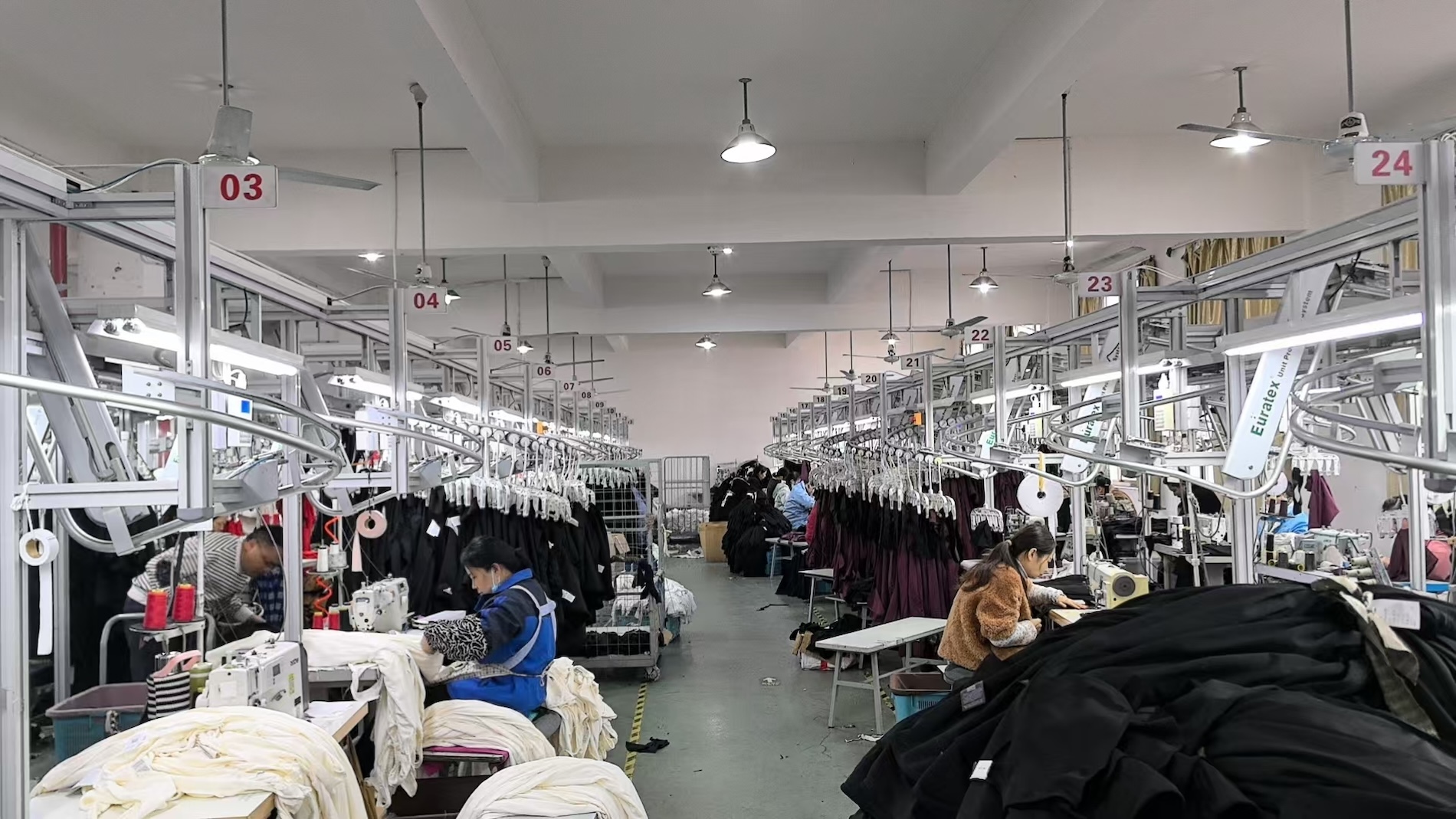
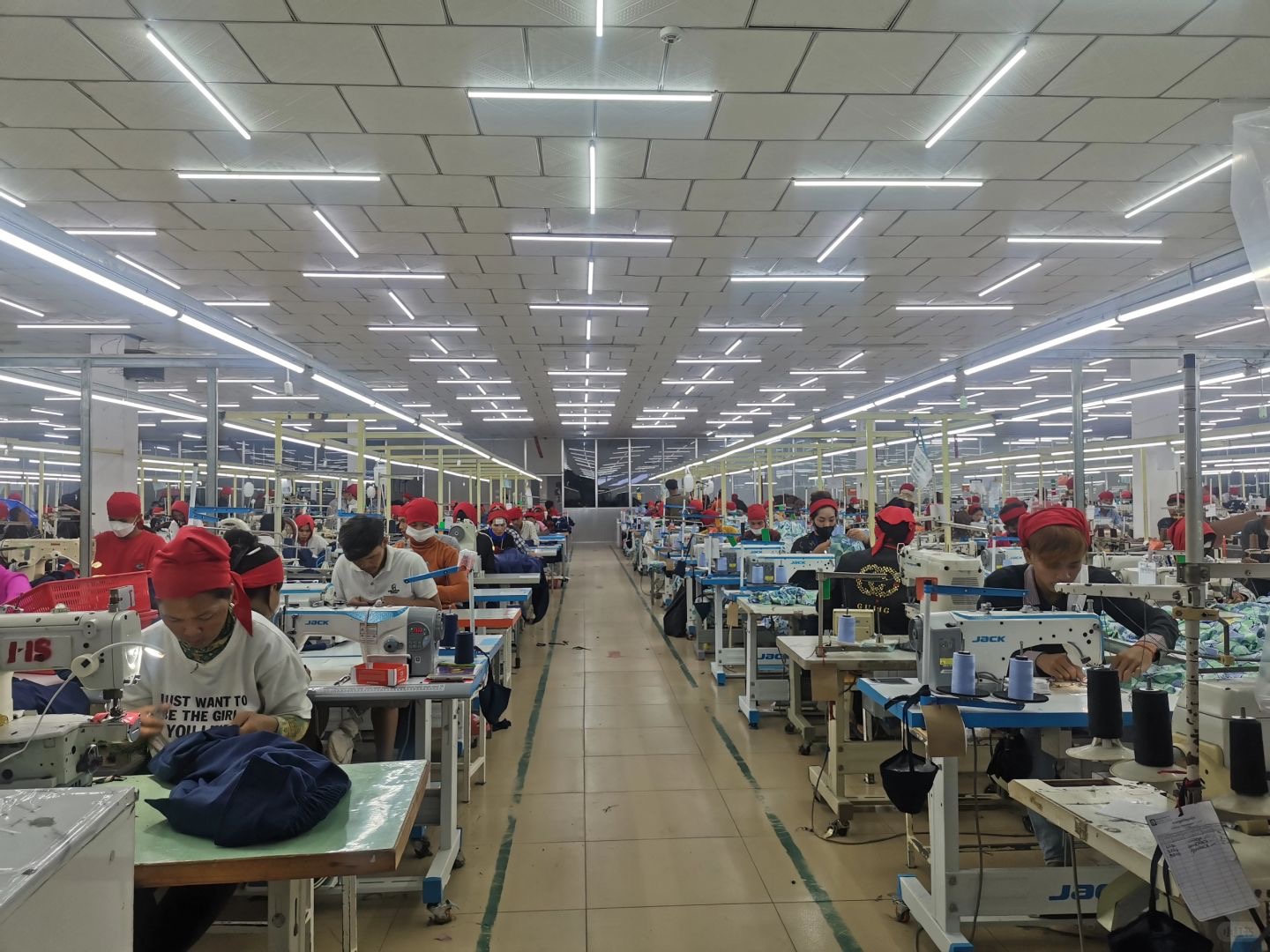
Factory Audit: This is crucial. Insist on a live video factory tour. Look for organized production lines, quality control stations, and working conditions. For large orders, an in-person visit is highly recommended.
Ask for Client References: A confident manufacturer will provide references or case studies.
C. The Critical Sample Phase:
Always proceed with a paid sample before discussing bulk orders. The sample reveals:
Always proceed with a paid sample before discussing bulk orders. The sample reveals:
Technical capability and attention to detail.
Communication efficiency during the revision process.
Transparency about costs and timelines.
A manufacturer that views sampling as a collaborative development phase, like the process emphasized by Ambition Garments, demonstrates a partnership mindset rather than a transact.
Frequently Asked Questions (FAQ)
Q1: What is the typical MOQ for garment manufacturers in China?
A: MOQs vary widely. For simple items like tees, MOQs can start from 300-500 pieces per style/color. For complex garments, MOQs may be 1000+ pieces. Some factories, often those with a focus on brand collaboration and flexible production lines, may offer lower MOQs for a higher per-unit cost. Always ask directly.
A: MOQs vary widely. For simple items like tees, MOQs can start from 300-500 pieces per style/color. For complex garments, MOQs may be 1000+ pieces. Some factories, often those with a focus on brand collaboration and flexible production lines, may offer lower MOQs for a higher per-unit cost. Always ask directly.
Q2: How can I ensure quality control from afar?
A: A combination of strategies works best: 1) Detailed Tech Packs and an approved sealed sample as the physical standard. 2) Milestone inspections during production (in-line, pre-shipment). 3) Hire a third-party quality inspection company for final random checks before shipment. Clear QC protocols should be part of your contract.
A: A combination of strategies works best: 1) Detailed Tech Packs and an approved sealed sample as the physical standard. 2) Milestone inspections during production (in-line, pre-shipment). 3) Hire a third-party quality inspection company for final random checks before shipment. Clear QC protocols should be part of your contract.
Q3: What are the main cost drivers when manufacturing clothing in China?
A: The primary costs are fabric (type, weight, source), order quantity (higher volume reduces unit cost), garment complexity (more details = more labor), and logistics (shipping method, tariffs). A transparent manufacturer will explain this breakdown.
A: The primary costs are fabric (type, weight, source), order quantity (higher volume reduces unit cost), garment complexity (more details = more labor), and logistics (shipping method, tariffs). A transparent manufacturer will explain this breakdown.
Q4: How do I handle communication and time zone differences?
A: Establish clear primary contacts (e.g., a dedicated sales manager or project coordinator). Use professional tools like email for official communication and WeChat/WhatsApp for quick updates. Schedule regular update calls at mutually agreeable times. A manufacturer with a proficient English-speaking team, like Ambition Garments, significantly reduces friction and misunderstanding.
A: Establish clear primary contacts (e.g., a dedicated sales manager or project coordinator). Use professional tools like email for official communication and WeChat/WhatsApp for quick updates. Schedule regular update calls at mutually agreeable times. A manufacturer with a proficient English-speaking team, like Ambition Garments, significantly reduces friction and misunderstanding.
Q5: What is the difference between OEM and ODM services?
A: In OEM (Original Equipment Manufacturing), you provide the complete design (tech pack, samples), and the factory produces it. In ODM (Original Design Manufacturing), the factory provides design ideas, samples, and production based on your concept or market needs. Many manufacturers offer both, but it's vital to confirm their specific capabilities and where their strengths lie.
A: In OEM (Original Equipment Manufacturing), you provide the complete design (tech pack, samples), and the factory produces it. In ODM (Original Design Manufacturing), the factory provides design ideas, samples, and production based on your concept or market needs. Many manufacturers offer both, but it's vital to confirm their specific capabilities and where their strengths lie.
Top 5 Essential Traits of a Leading ECO Friendly Clothing Manufacturer in China
Starter's Guide: How To Choose Fabrics For Custom Hoodie?
Get an Accurate Garment Quote Within 24 Hours
Tell us your idea, and our team will turn it into a clear, competitive quotation—fast and professionally.
✔ Low MOQ for startups & growing brands
✔ Fast sampling (7–10 days)
✔ Full-package service (fabric sourcing to bulk production)
✔ Stable quality & on-time delivery
✔ Experienced with US & EU brands
Trusted by 100+ global brands | 10+ years manufacturing experience
SEND MESSAGE
We typically respond within 12–24 hours.
Many of our clients started with small orders and scaled with us.
Why Brands Choose Us
>10+ years garment manufacturing experience
> Served 100+ fashion brands globally
> Strong development support for small brands
> Transparent pricing & communication
Limited production slots available this month. Secure your sampling schedule today.
* We help turn your ideas into production-ready garments
* No tech pack? No problem. Send us a reference image.
* Low MOQ support for new brands
Prefer quick communication?Chat with us on WhatsApp for instant support.
👉 WhatsApp Us